Cameras that see, understand and alert
- 100 cases in 10 sectors
- 10 computer vision techniques
- QR codes to quote each case
Index by sector
- Security and surveillance04
- Retail15
- Industry and manufacturing26
- Logistics and warehouses37
- Mobility and traffic48
- Construction and infrastructure59
- Health and wellness70
- Agriculture, fishing and environment81
- Sports, fitness and education92
- Ports, tourism and city103
Tap a sector to jump to its page, or drag the corner.
Ten techniques, one goal: make your cameras work for you
Security and surveillance
- Alerts in seconds, not after reviewing hours of video
- Fewer false alarms than motion sensors
- Evidence with image and time of every event
- Perimeter intrusion
- Restricted zones
- Loitering detection
- Abandoned objects
- Entrance occupancy control
- Weapon detection
- Fall detection
- Fights and violent behavior
- Smoke and fire
- Privacy: face blurring
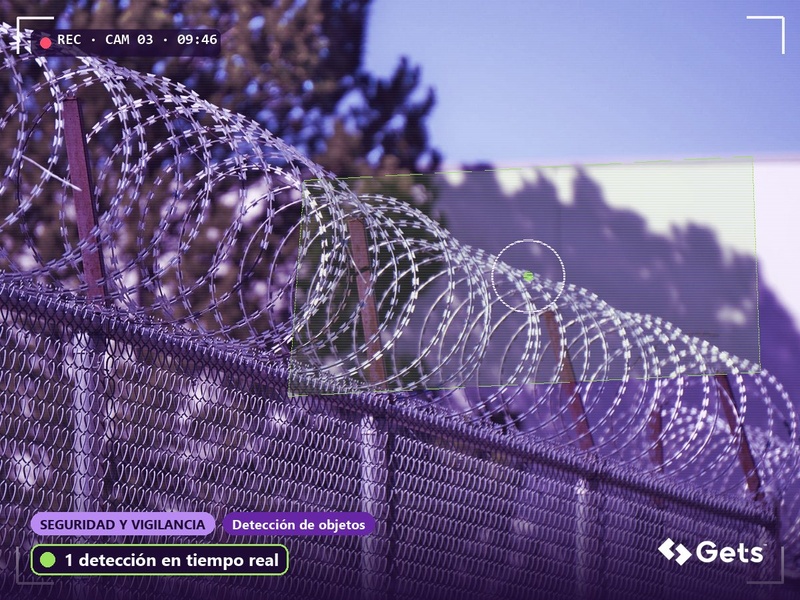
Perimeter intrusion
Detects people or vehicles crossing fences and restricted zones, day and night.
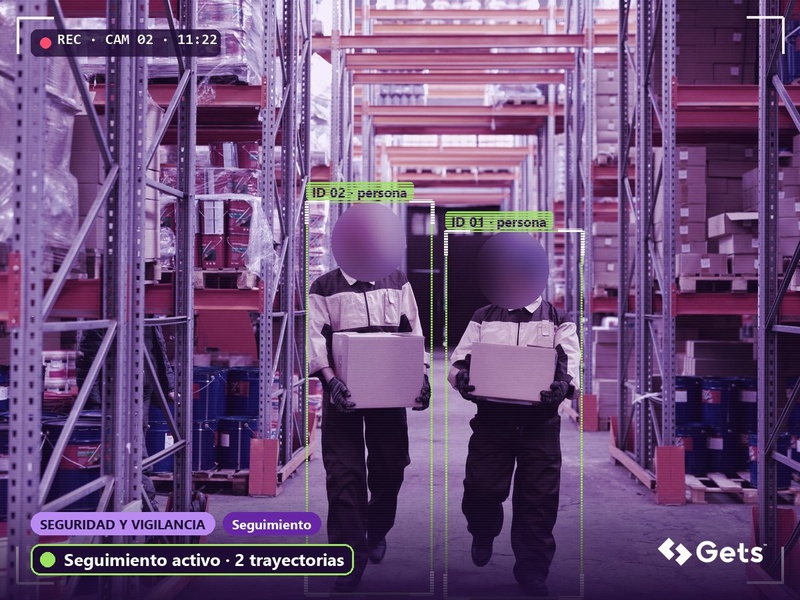
Restricted zones
Alerts when someone enters technical rooms, warehouses or areas where they should not be.
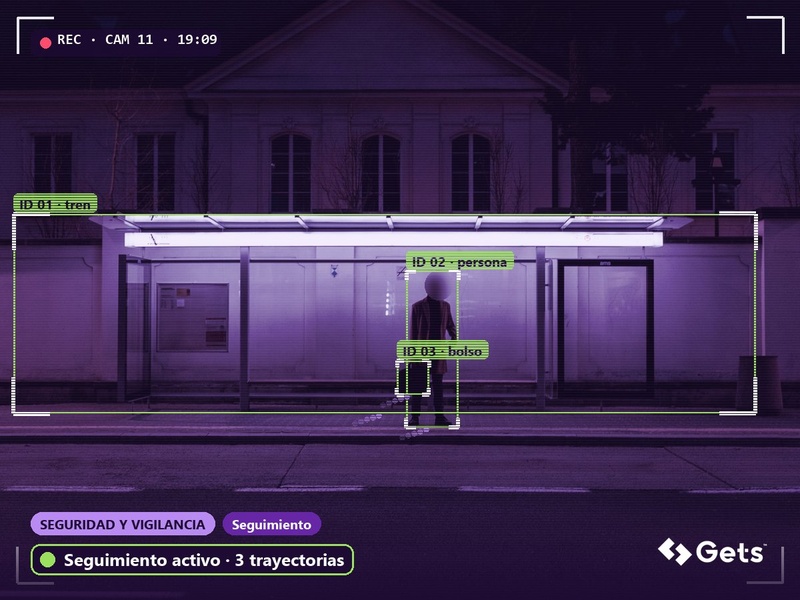
Loitering detection
Identifies people who stay too long in front of an entrance, ATM or shop window.
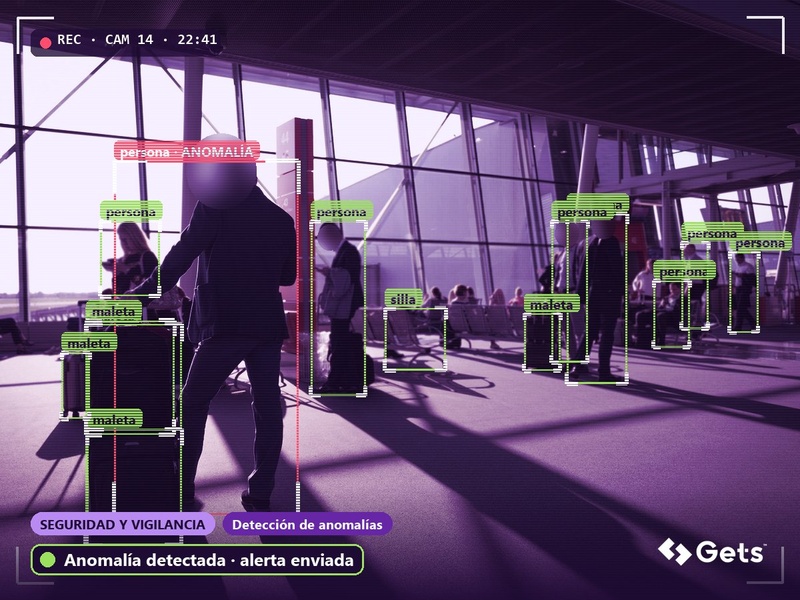
Abandoned objects
Detects bags, packages or objects left alone in terminals, malls and buildings.
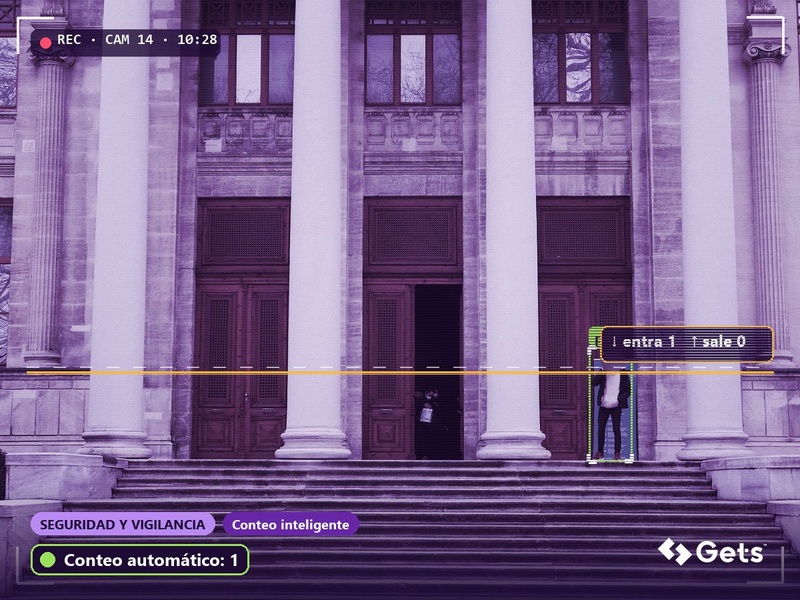
Entrance occupancy control
Counts who enters and leaves through each door and warns when capacity is exceeded.
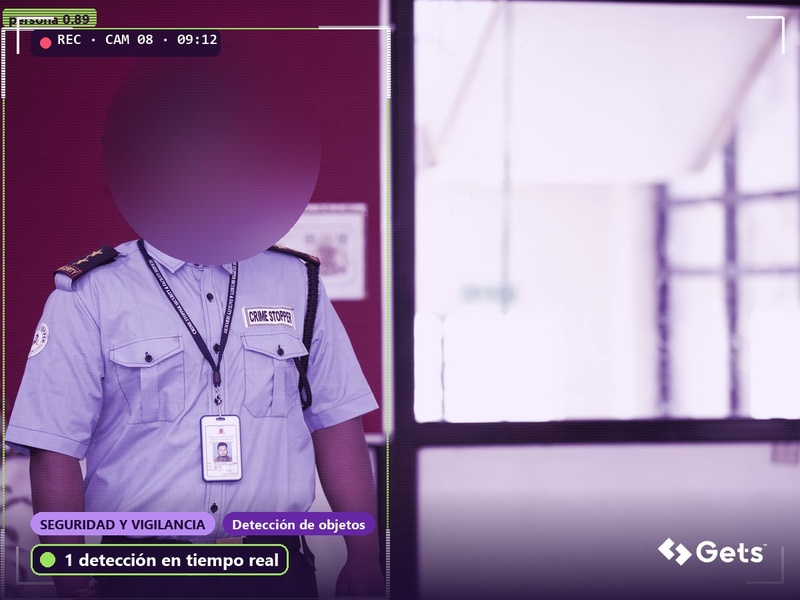
Weapon detection
Recognizes visible weapons in the image and sends an immediate alert to the security team.
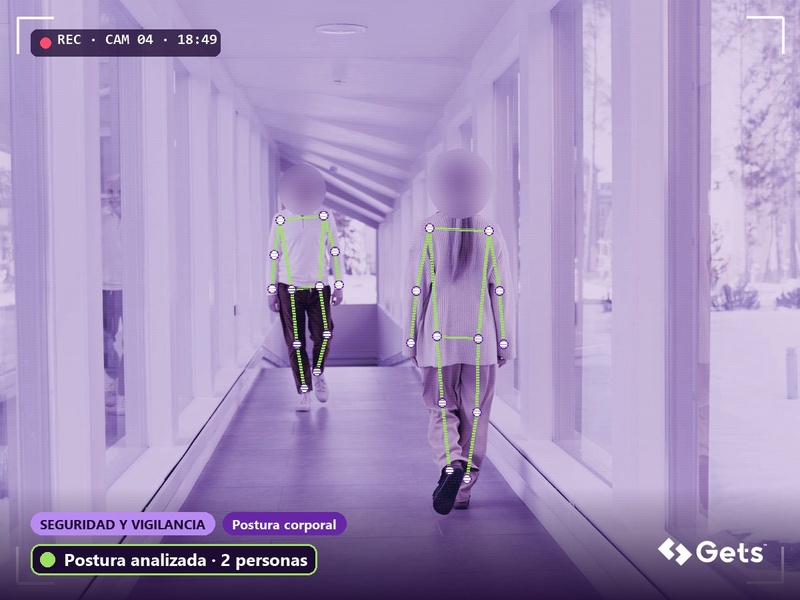
Fall detection
Detects when a person falls and does not get up, to raise an alarm right away.
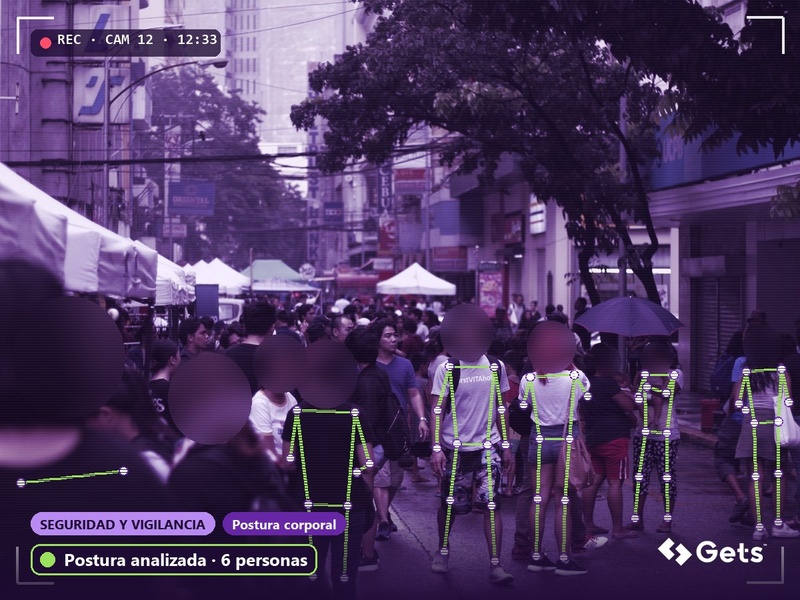
Fights and violent behavior
Identifies sudden movements and aggression between people to act in time.
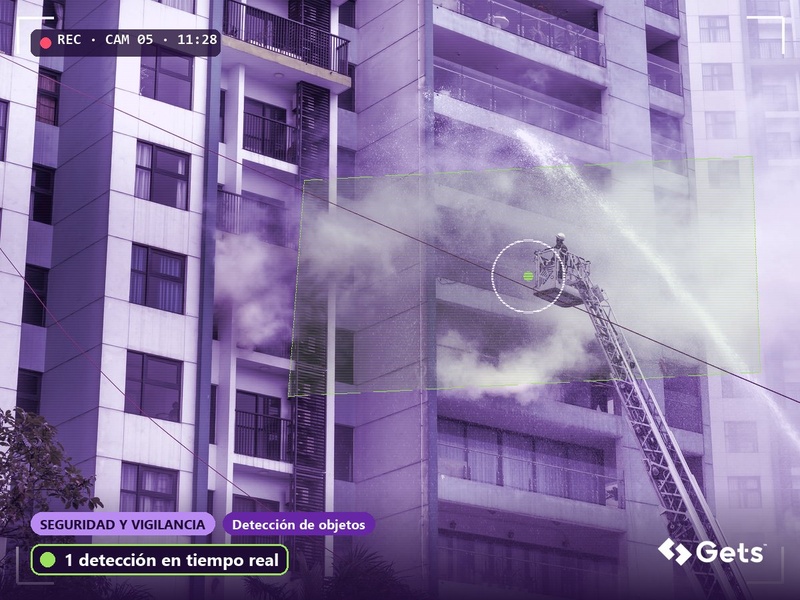
Smoke and fire
Detects smoke and flames in the image before they reach ceiling sensors.
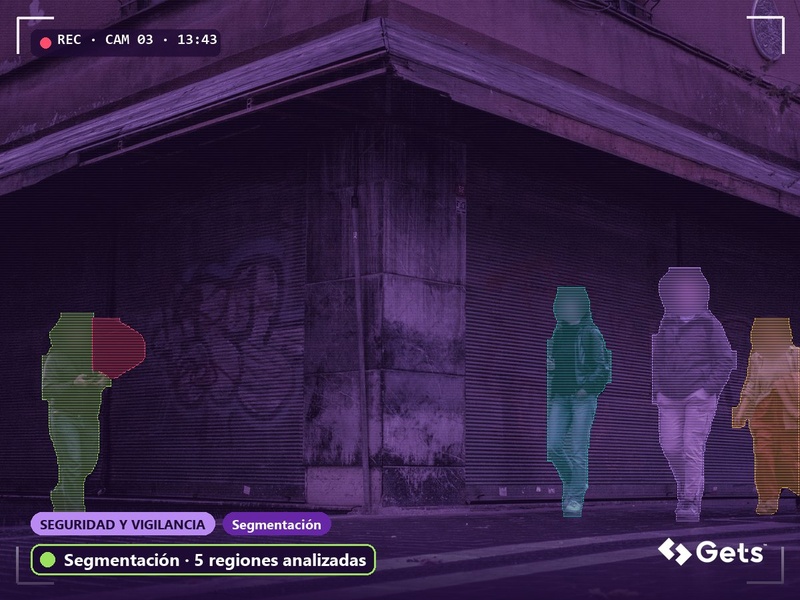
Privacy: face blurring
Blurs faces and plates automatically to share video while complying with data protection.
Retail
- Store decisions based on real customer data
- Less shrinkage and fewer out-of-stocks
- Better experience at checkout and on the sales floor
- Store foot traffic
- Sales floor heat map
- Checkout queue management
- Empty shelves
- Planogram compliance
- Self-checkout: unscanned items
- Display attention
- Anonymous visitor profile
- Checkout product recognition
- Restaurant table occupancy
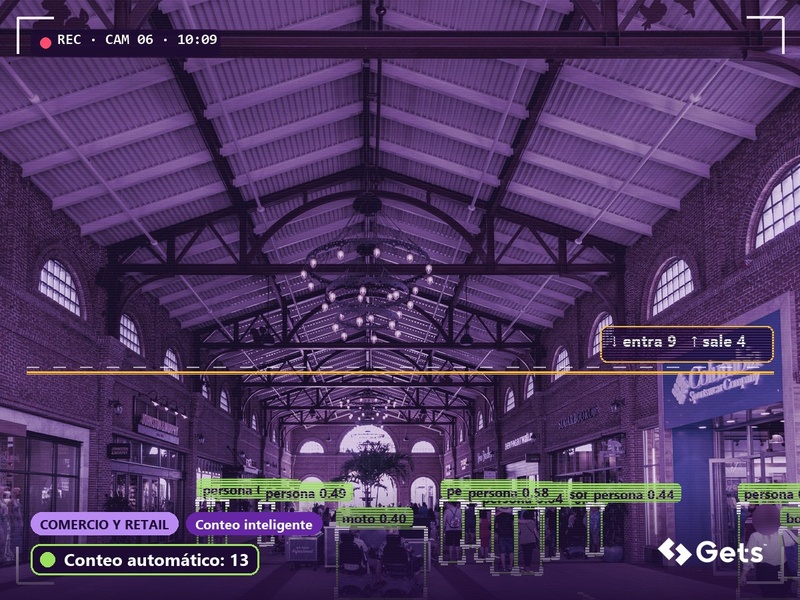
Store foot traffic
Counts visitors per hour and day and calculates conversion against your sales.
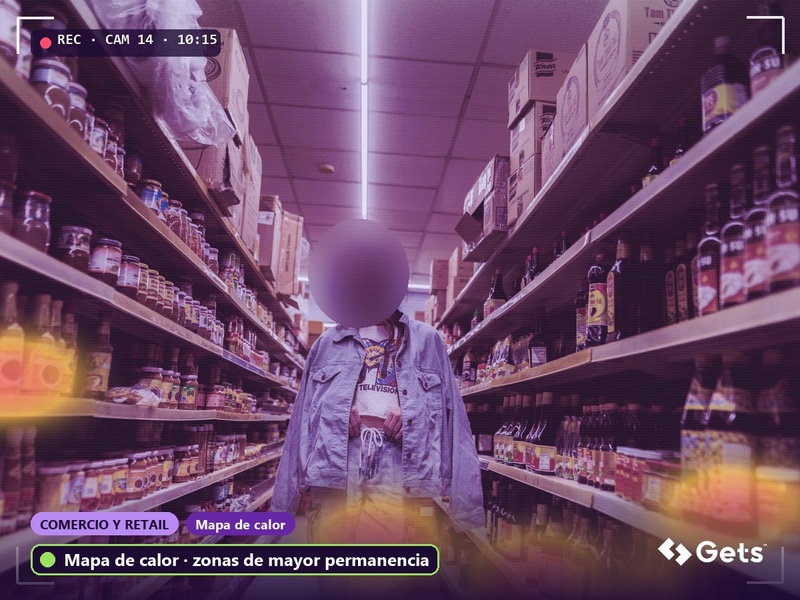
Sales floor heat map
Shows where customers walk and stop so you can place products better.
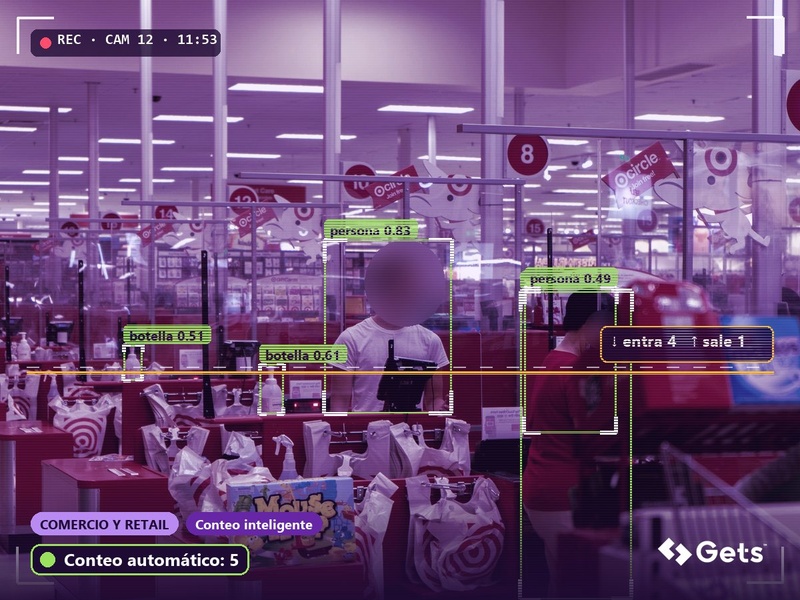
Checkout queue management
Measures queue length and wait time, and alerts when another checkout should open.
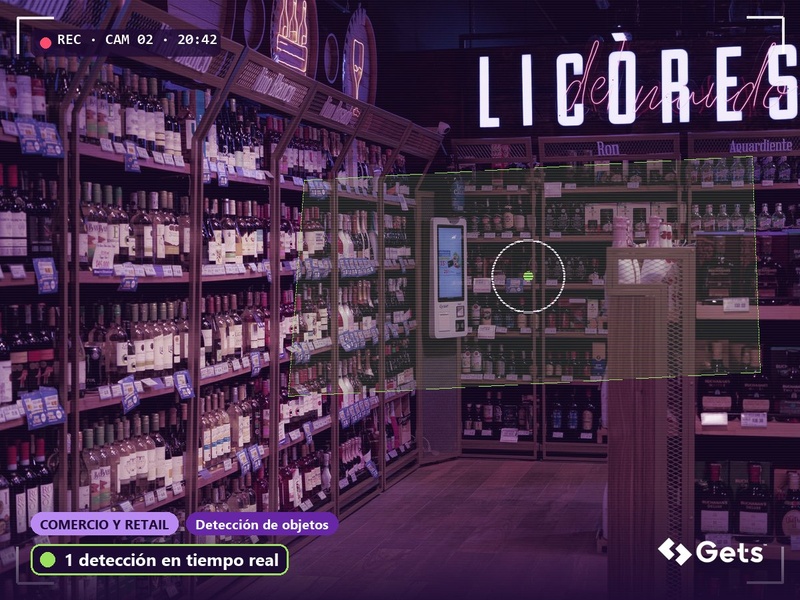
Empty shelves
Detects gaps on shelves and alerts to restock before losing the sale.
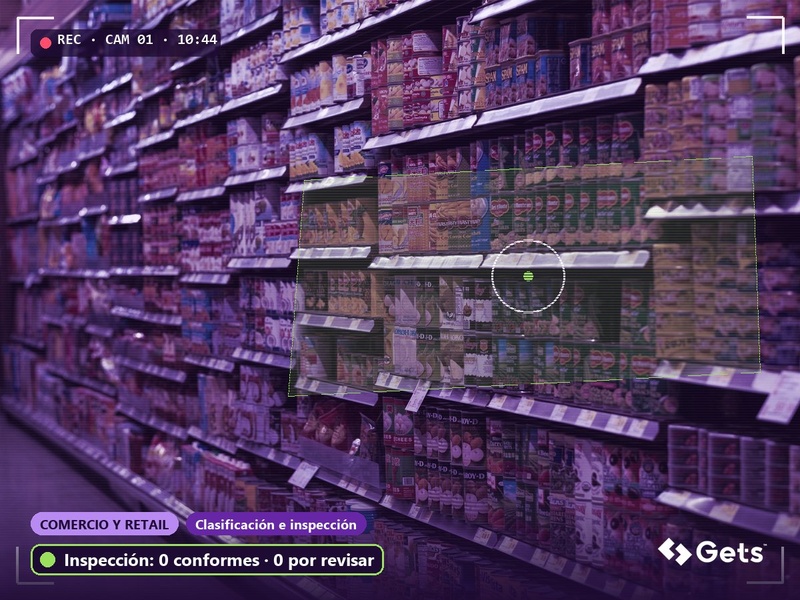
Planogram compliance
Compares the real display with the planogram and flags misplaced products.
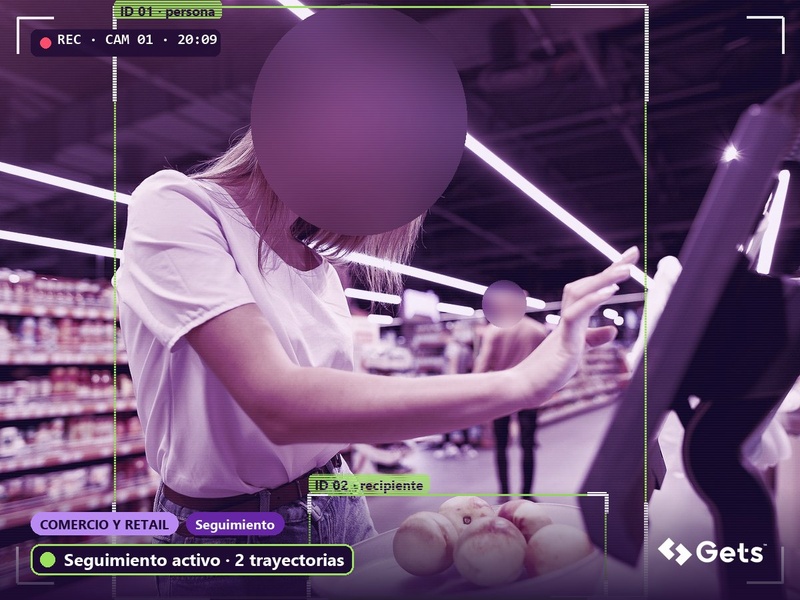
Self-checkout: unscanned items
Detects items that pass through self-checkout without being scanned.

Display attention
Measures how many people look at a window or display and for how long.
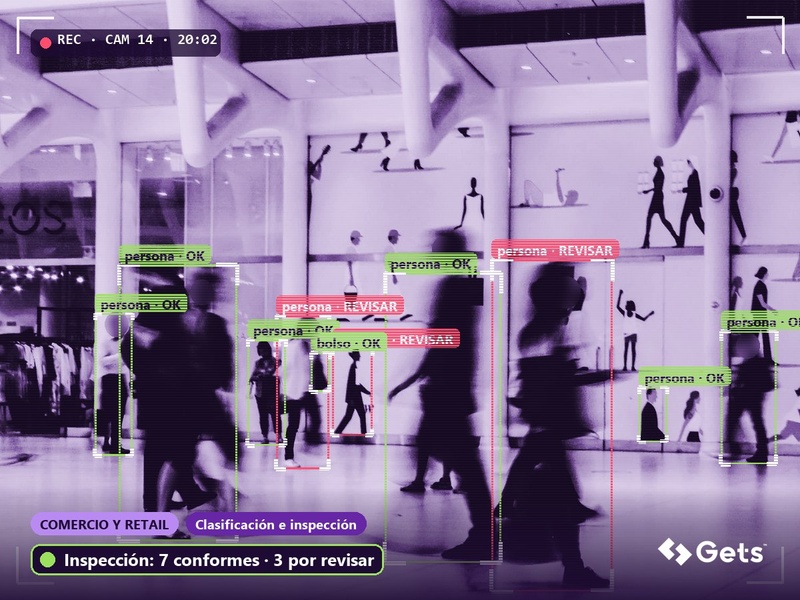
Anonymous visitor profile
Anonymously estimates age groups and visiting times without identifying anyone.
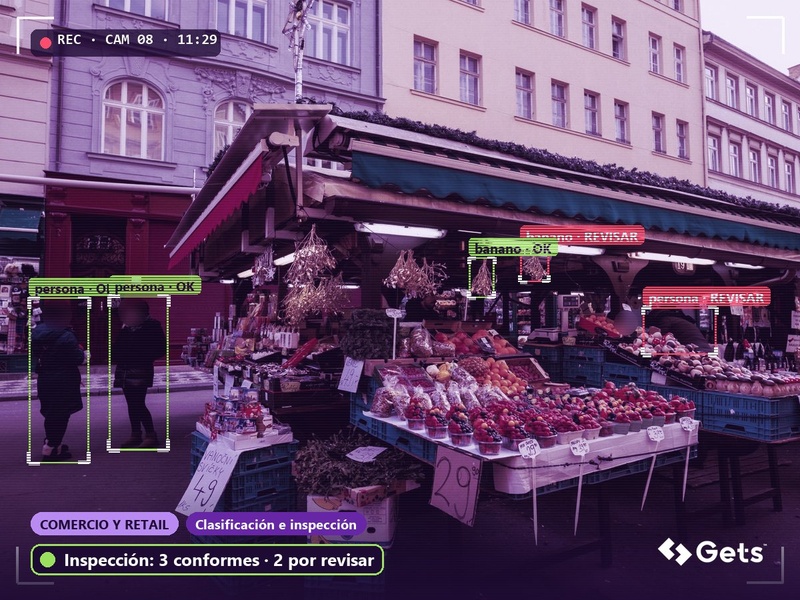
Checkout product recognition
Recognizes fruit, vegetables and products without barcodes to ring them up faster.
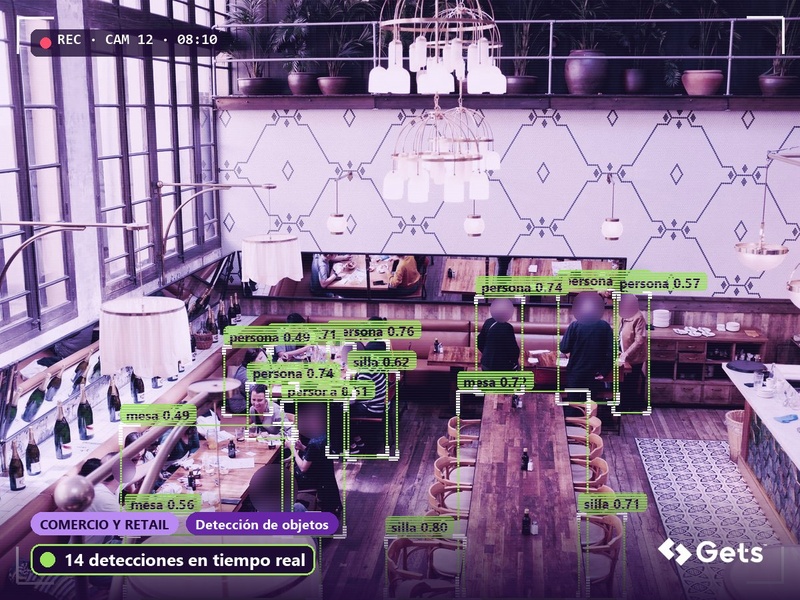
Restaurant table occupancy
Shows which tables are free, occupied or need cleaning to turn them faster.
Industry and manufacturing
- Inspection of 100% of production, not sampling
- Less rework, returns and waste
- Traceability with an image of every part
- Production line defects
- Conveyor part counting
- PPE compliance
- Machine danger zones
- Label, batch and expiry reading
- Assembly verification
- Dimensional measurement
- Gauge and meter reading
- Leaks and spills
- Worker ergonomics
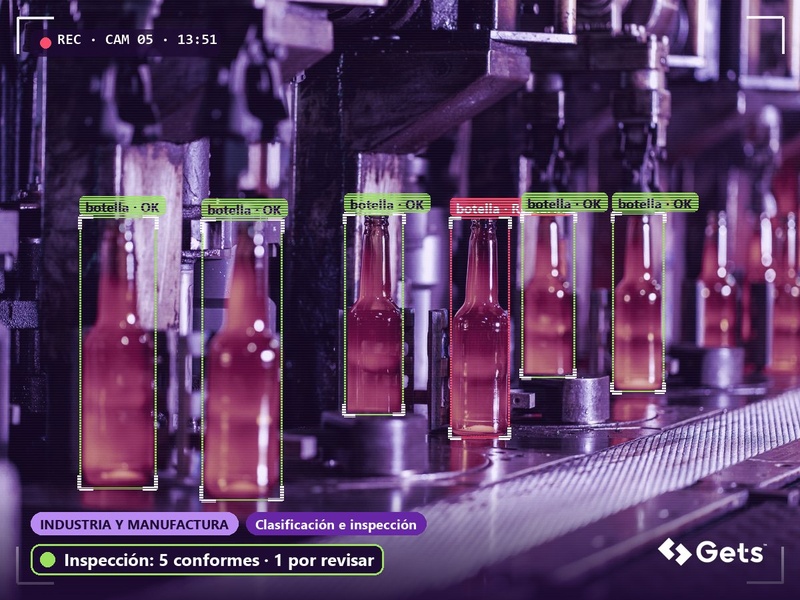
Production line defects
Detects scratches, dents, stains and incomplete parts at line speed.
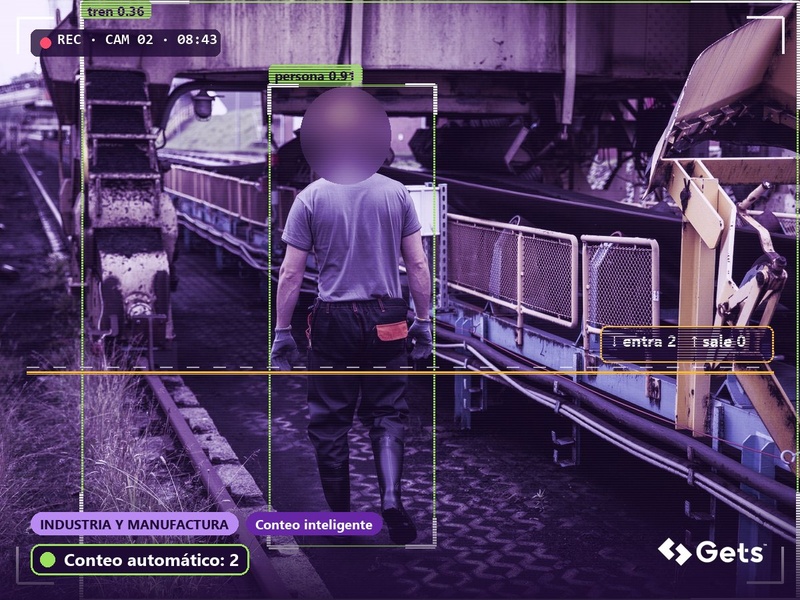
Conveyor part counting
Counts parts, boxes or units on the conveyor belt without extra sensors.
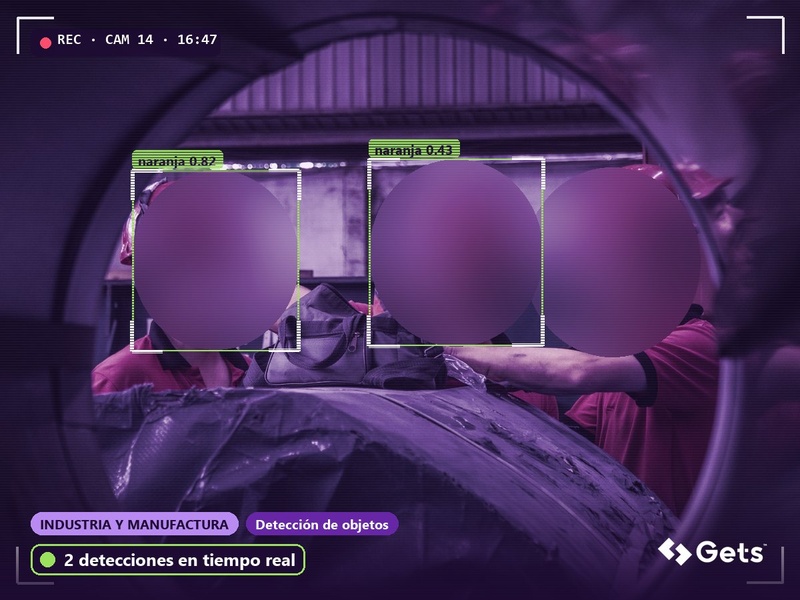
PPE compliance
Checks helmet, vest, goggles and gloves, and alerts when someone enters without protection.
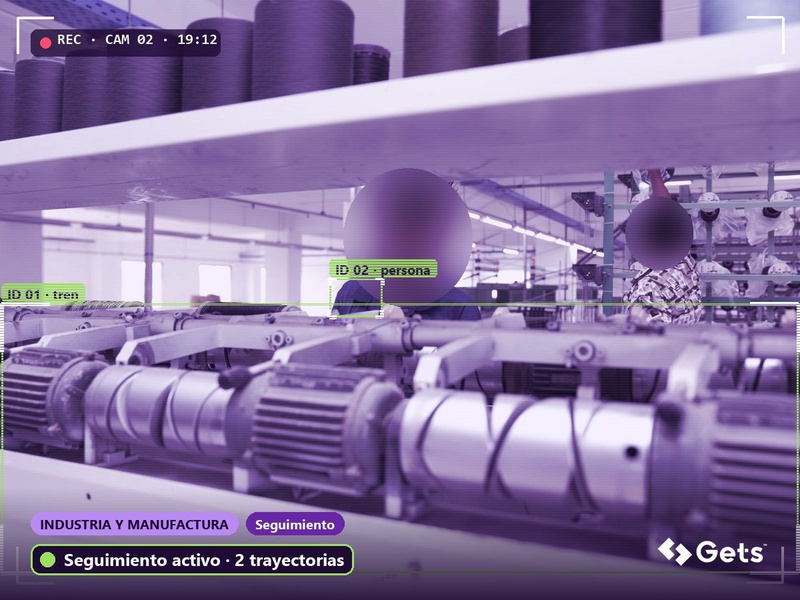
Machine danger zones
Stops or alerts when a person enters the working range of a moving machine.
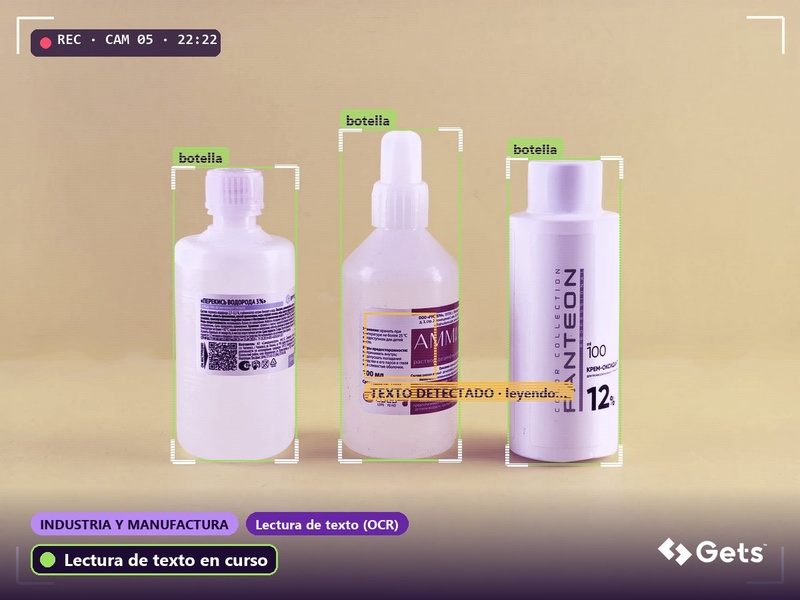
Label, batch and expiry reading
Reads batch, expiry date and printed codes and checks that they are correct.
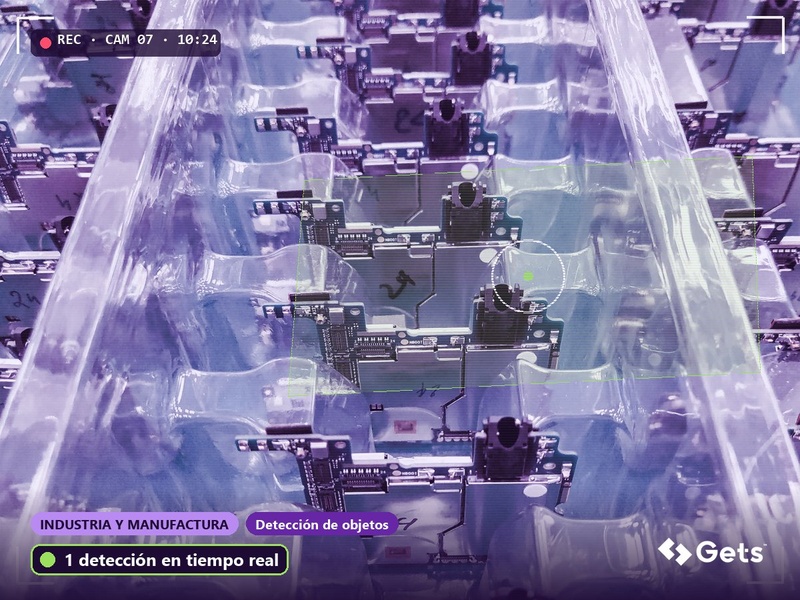
Assembly verification
Confirms each product has all its components before moving to packing.
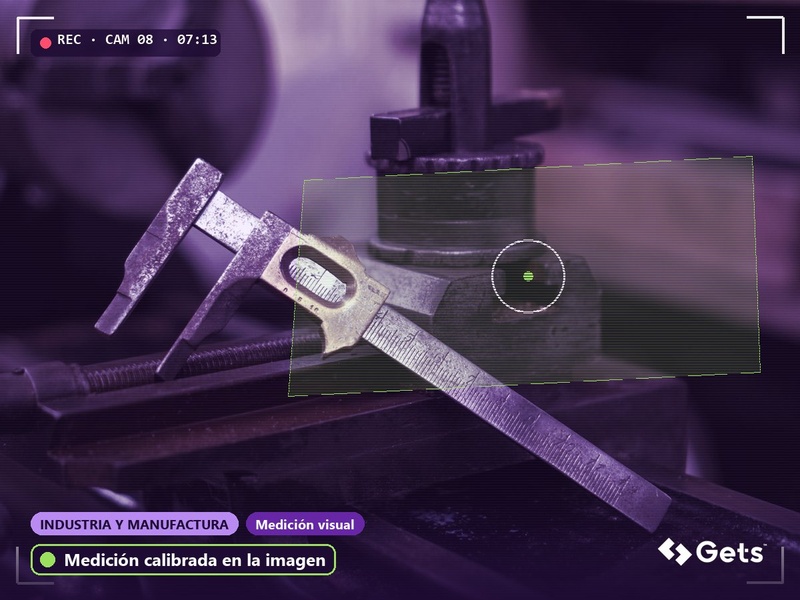
Dimensional measurement
Measures length, width and diameters of parts without contact and compares with tolerance.
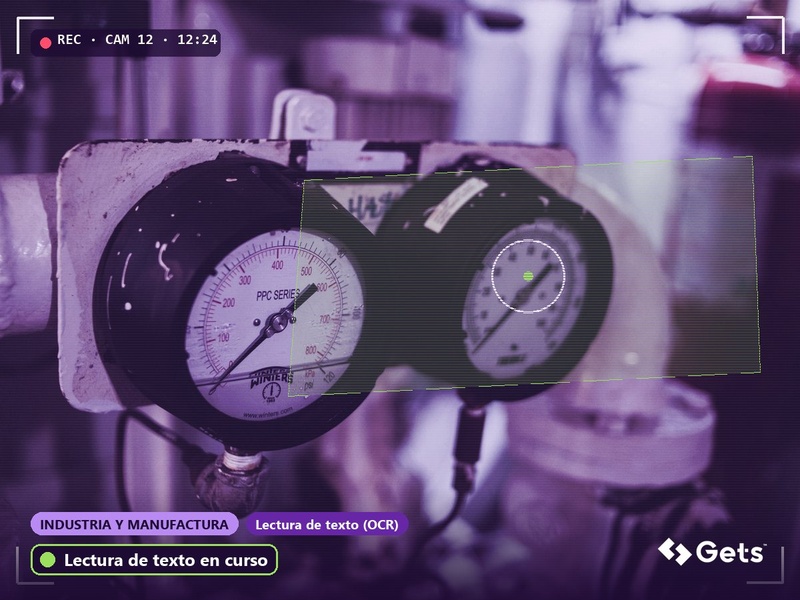
Gauge and meter reading
Reads analog and digital gauges with a camera and logs values automatically.
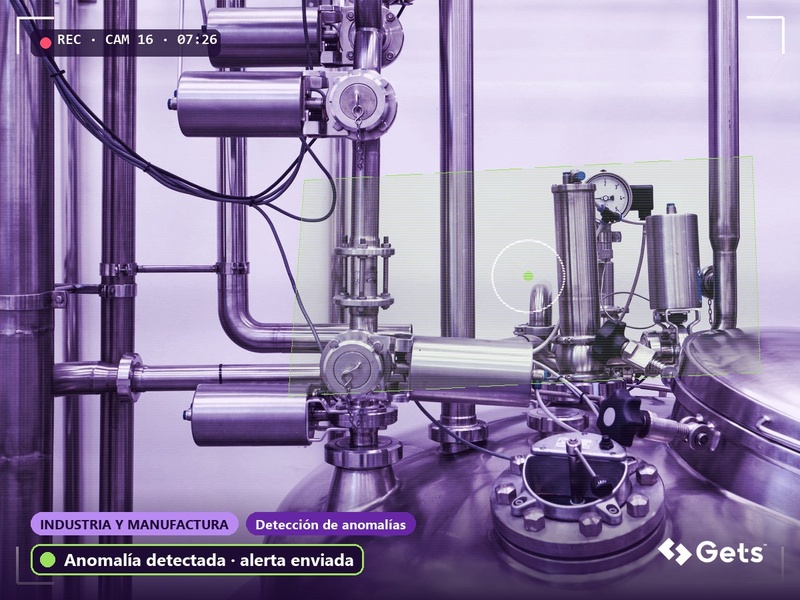
Leaks and spills
Detects puddles, drips and liquid spills in plants and warehouses.
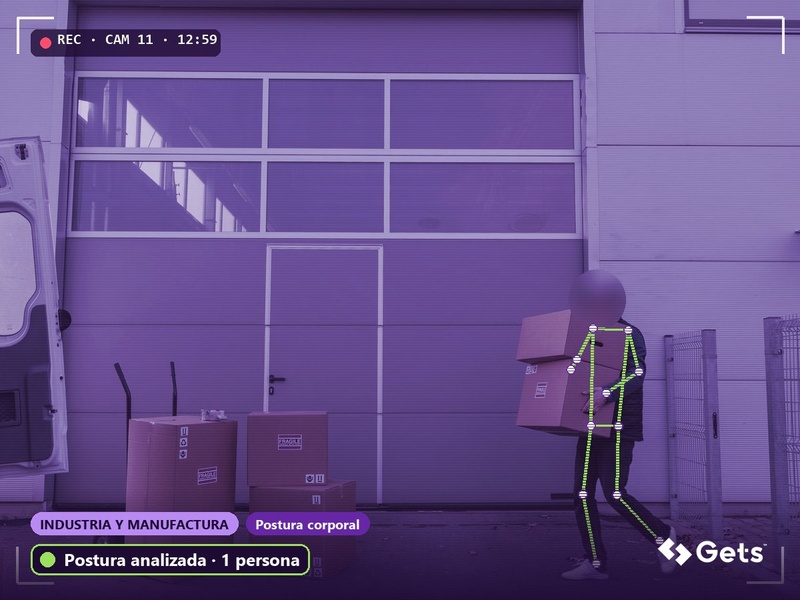
Worker ergonomics
Analyzes lifting postures and repetitive movements to prevent injuries.
Logistics and warehouses
- Inventory and shipping without manual counts
- Fewer picking and shipping errors
- Real-time visibility of the warehouse
- Box and pallet counting
- Code and waybill reading
- Package dimensions and volume
- Damaged goods
- Forklifts and pedestrians
- Rack occupancy
- Loading dock occupancy
- Picking verification
- Container and seal reading
- Proof of delivery
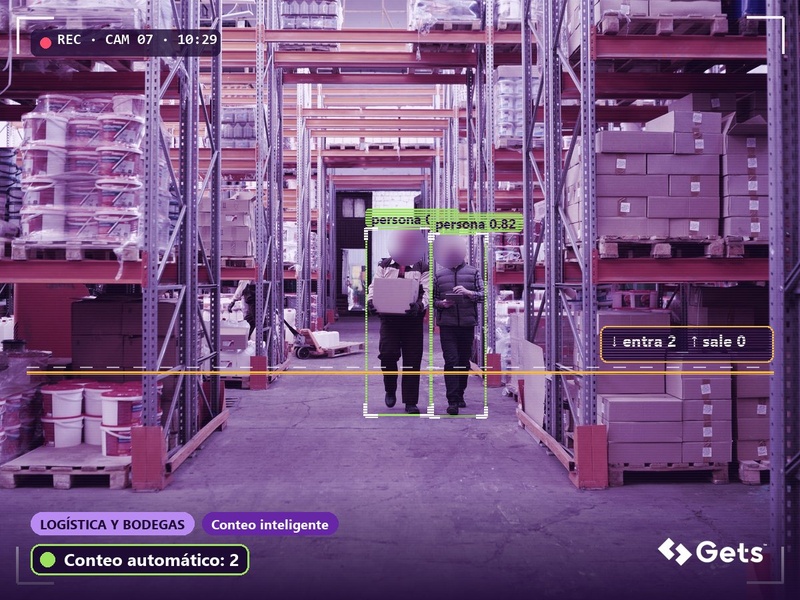
Box and pallet counting
Counts boxes and pallets at receiving and shipping and compares with the order.
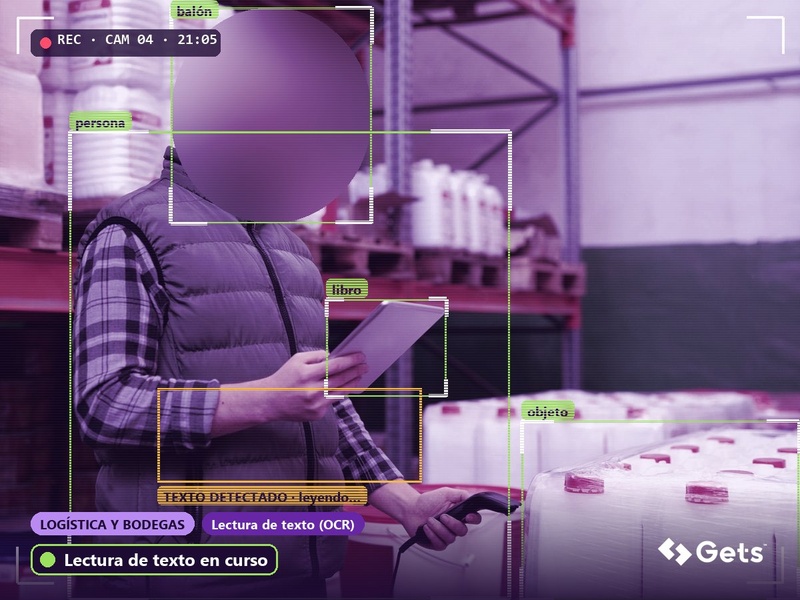
Code and waybill reading
Reads barcodes, QR codes and shipping labels from a distance, several at once.
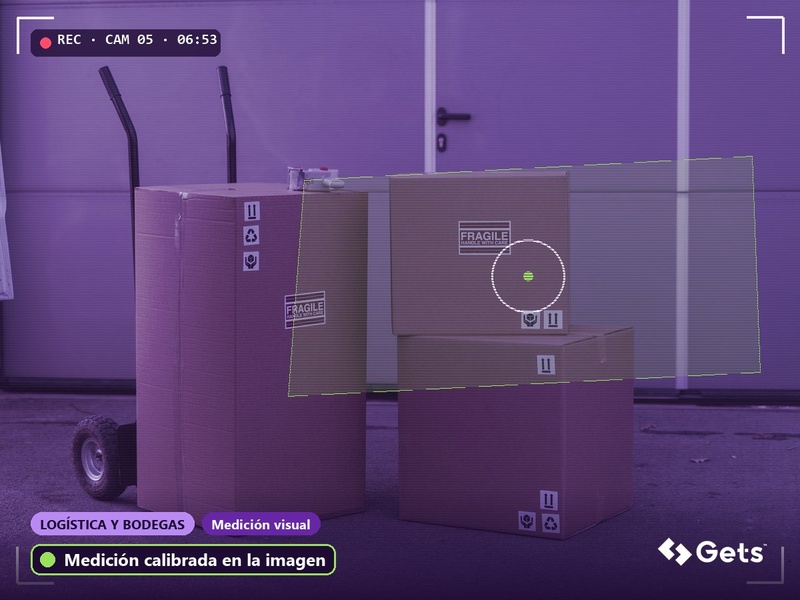
Package dimensions and volume
Measures length, width and height of each package to charge and load better.
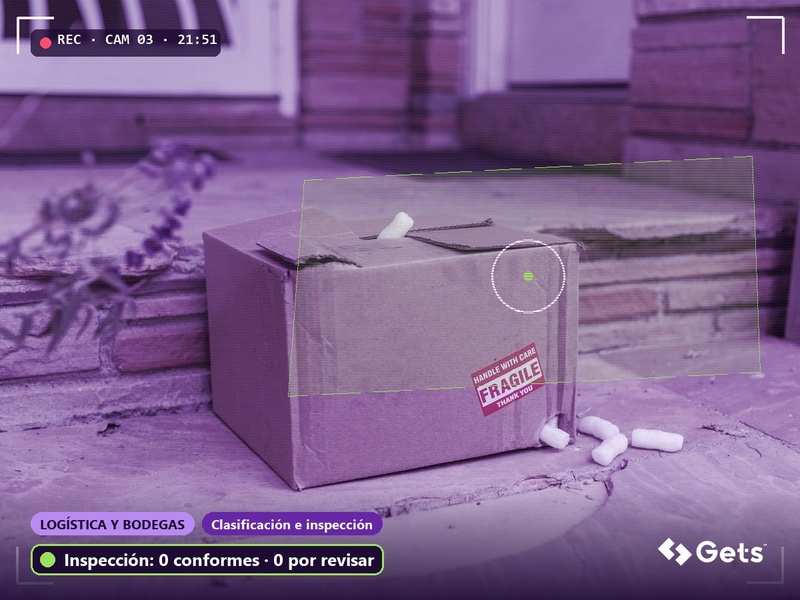
Damaged goods
Detects dented, broken or wet boxes at receiving, with a photo as evidence.
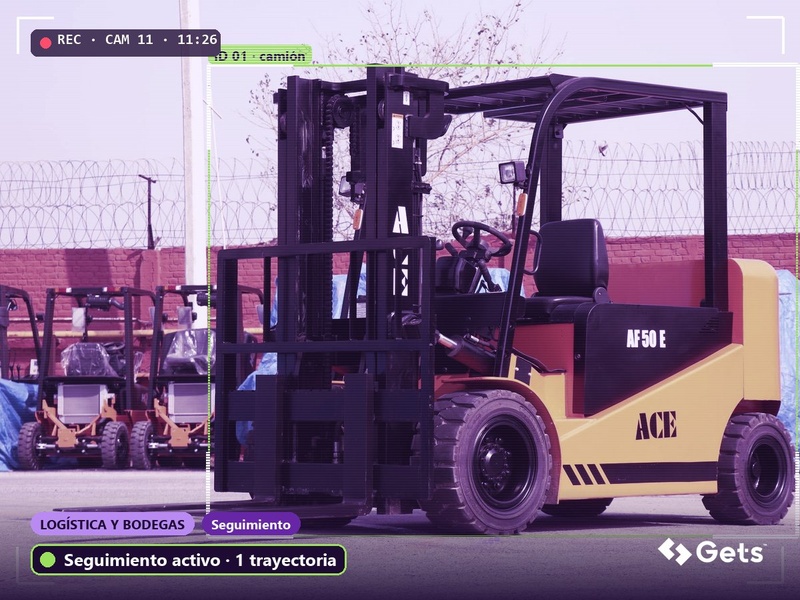
Forklifts and pedestrians
Alerts when a forklift and a person get too close in the aisles.
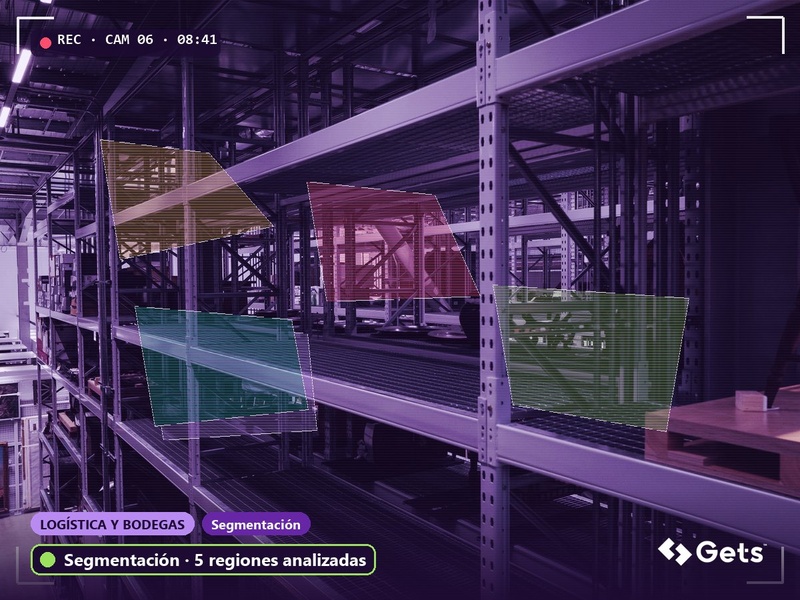
Rack occupancy
Calculates how many rack positions are free or occupied in the warehouse.
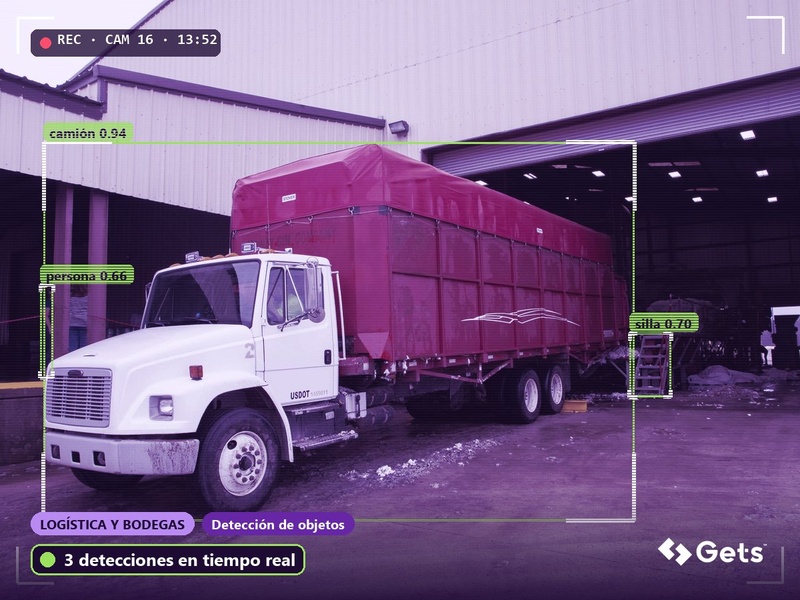
Loading dock occupancy
Shows which docks are busy and how long each truck takes to load or unload.
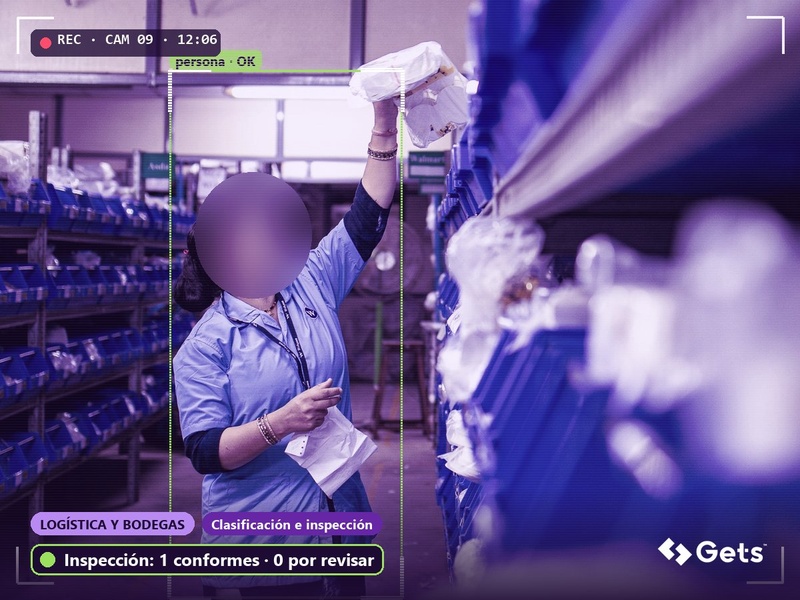
Picking verification
Checks that picked products match the order before sealing the box.
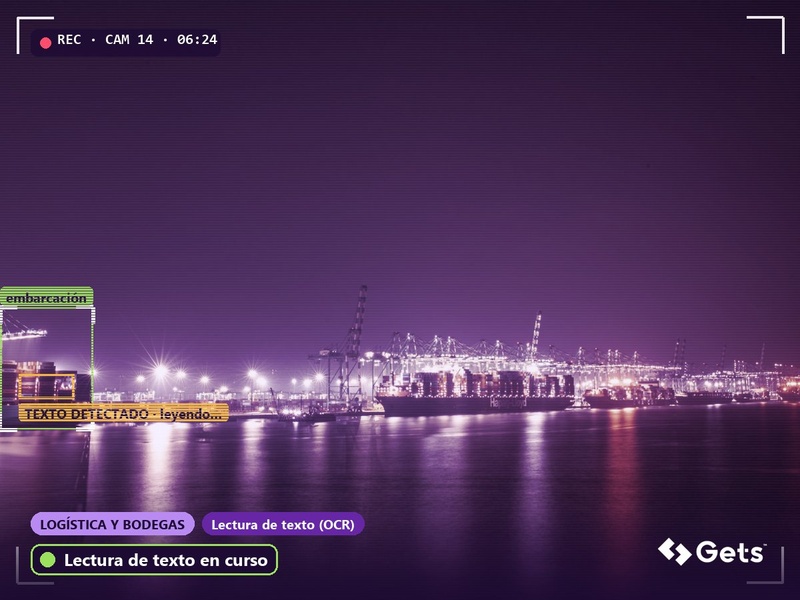
Container and seal reading
Reads the container number and seal at the gate and logs them in the system.
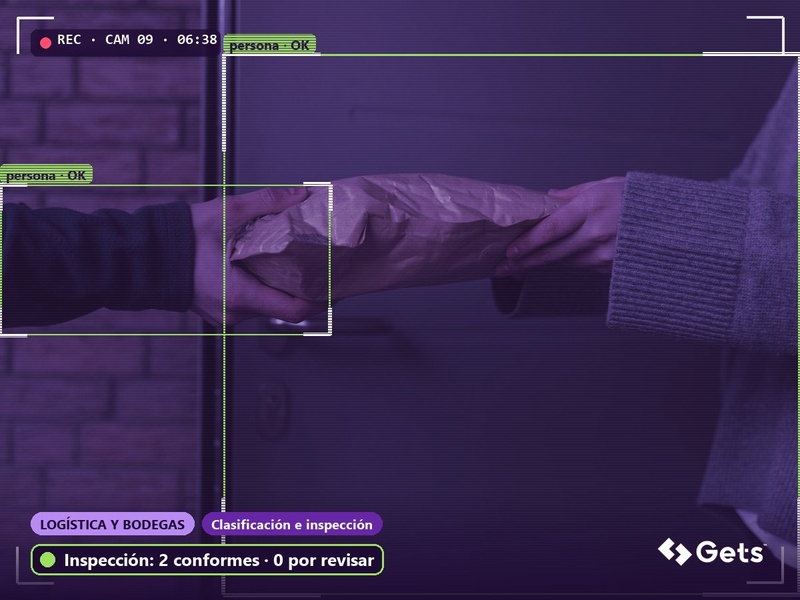
Proof of delivery
Validates the courier's delivery photo: package, address and condition.
Mobility and traffic
- Mobility data without roadworks or road sensors
- Automatic vehicle access control
- Reports by hour, vehicle type and lane
- License plate reading (LPR)
- Vehicle counts by type
- Vehicle speed
- Free parking spaces
- Traffic violations
- Motorcycle helmet use
- Pedestrians at crossings
- Bus and station occupancy
- Road condition: potholes and cracks
- Driver fatigue and distraction
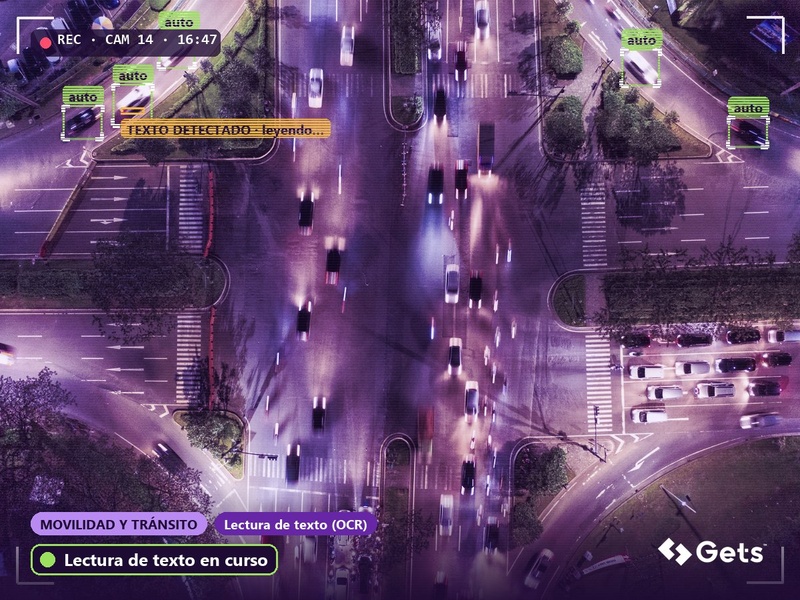
License plate reading (LPR)
Reads vehicle plates and opens the barrier or logs entry and exit.
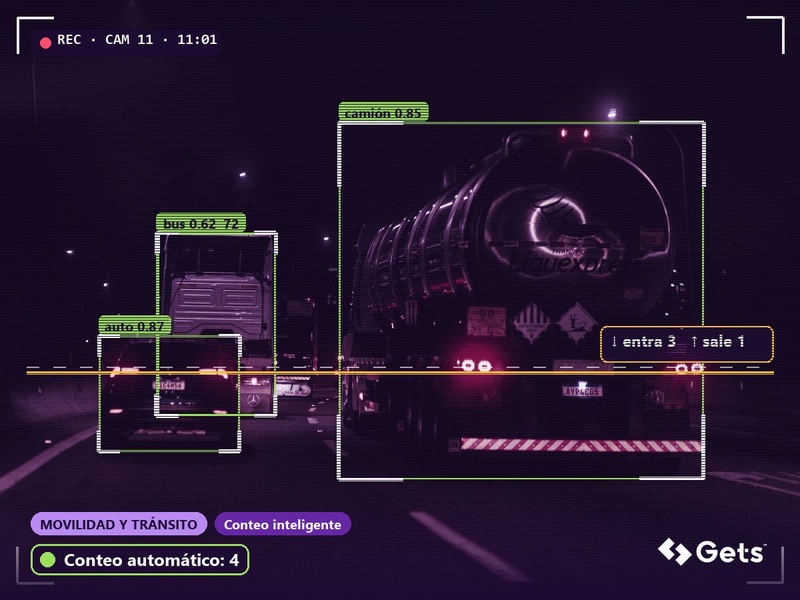
Vehicle counts by type
Counts and classifies cars, motorcycles, buses, trucks and bicycles by lane and direction.
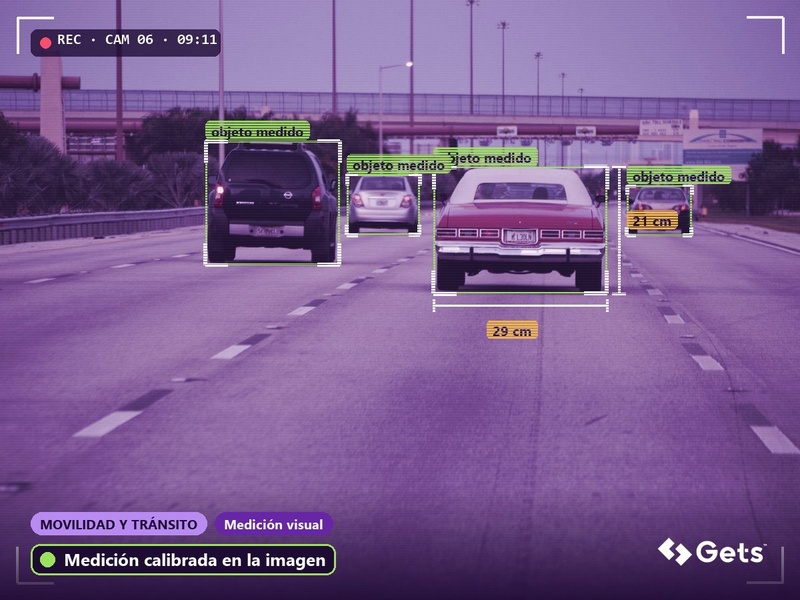
Vehicle speed
Estimates the speed of each vehicle with the camera for traffic and road safety studies.
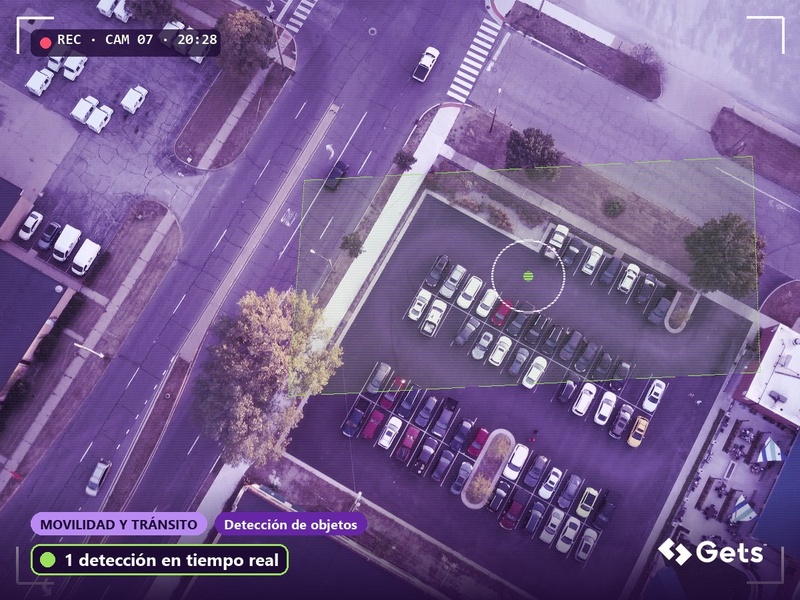
Free parking spaces
Shows in real time which spaces are free and guides drivers.
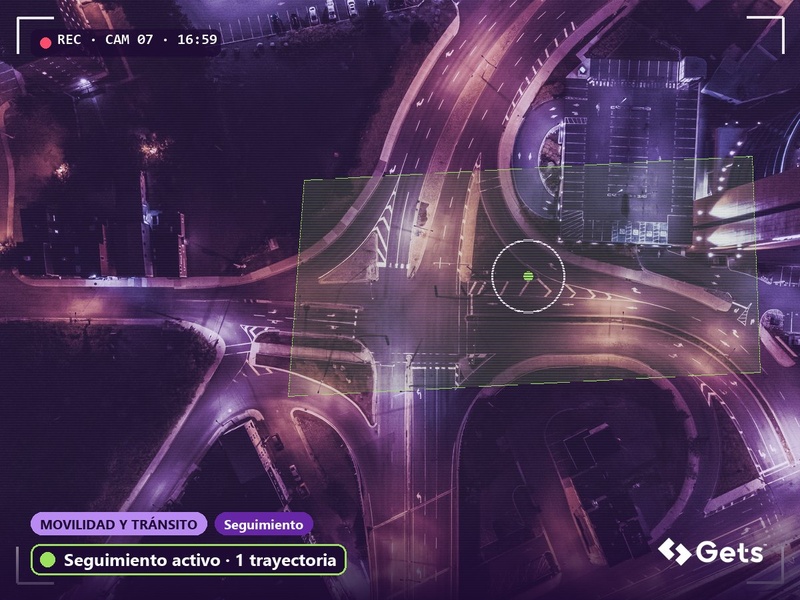
Traffic violations
Detects wrong-way driving, vehicles on the sidewalk or illegally parked.
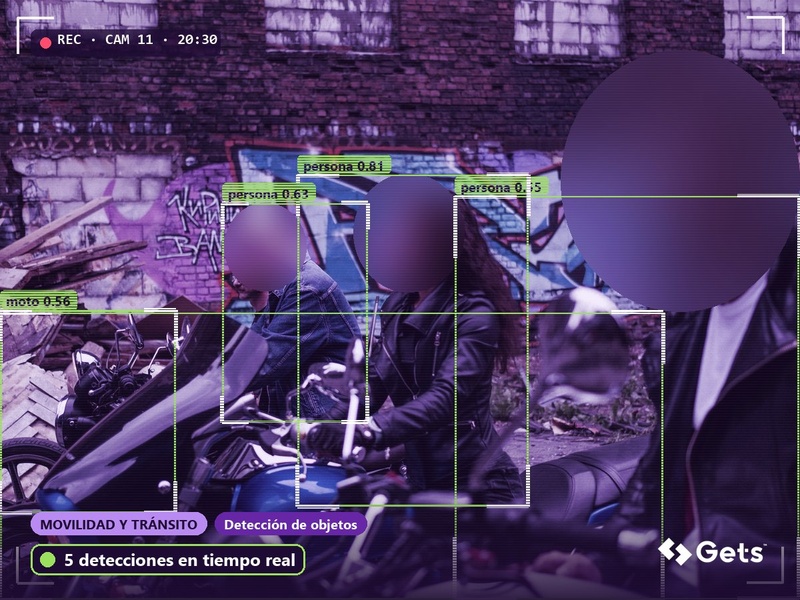
Motorcycle helmet use
Checks whether the rider and passenger are wearing helmets.
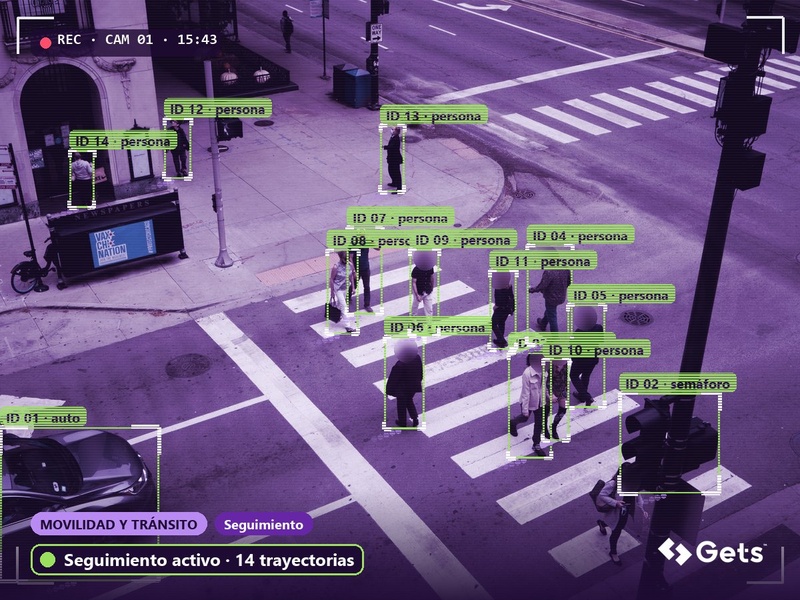
Pedestrians at crossings
Counts pedestrians and detects risky situations at crossings and traffic lights.
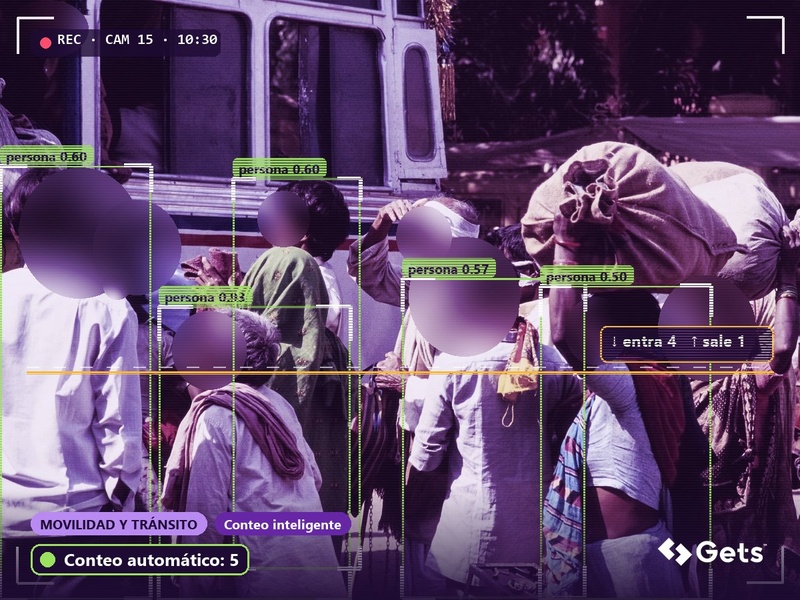
Bus and station occupancy
Counts passengers boarding and alighting and measures station occupancy.
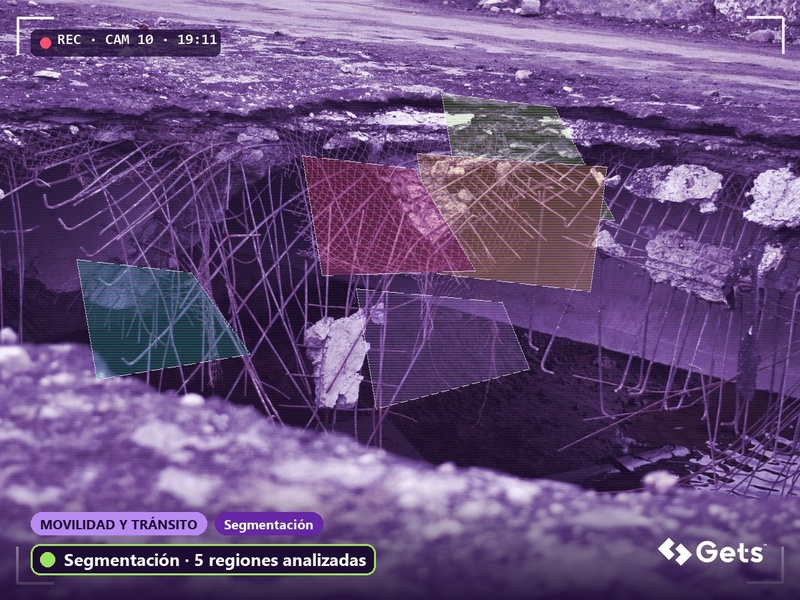
Road condition: potholes and cracks
Detects potholes, cracks and faded markings from a vehicle with a camera.
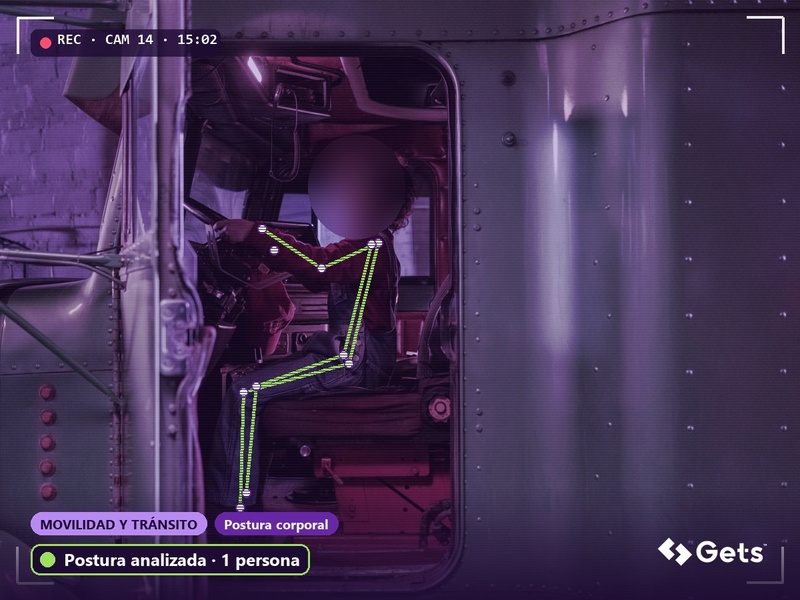
Driver fatigue and distraction
Detects drowsiness, phone use and distraction in fleet drivers.
Construction and infrastructure
- Safer sites with continuous supervision
- Construction progress measured, not estimated
- Inspections without putting people at risk
- Helmet and vest on site
- Construction progress
- Machinery and usage hours
- Working at heights
- Structural cracks
- Material inventory
- Dump truck access
- Power line inspection
- Solar panel inspection
- Pipe and tank corrosion
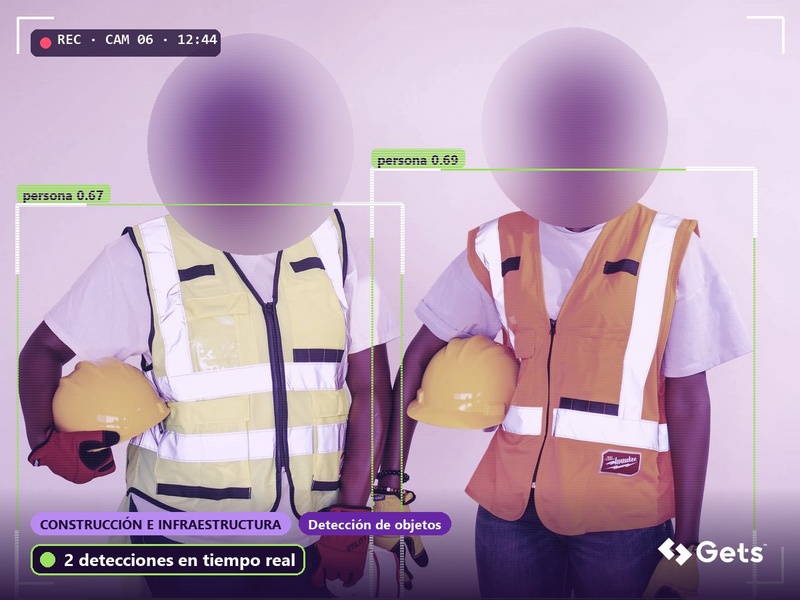
Helmet and vest on site
Checks helmet, vest and harness use across the whole site, all day.
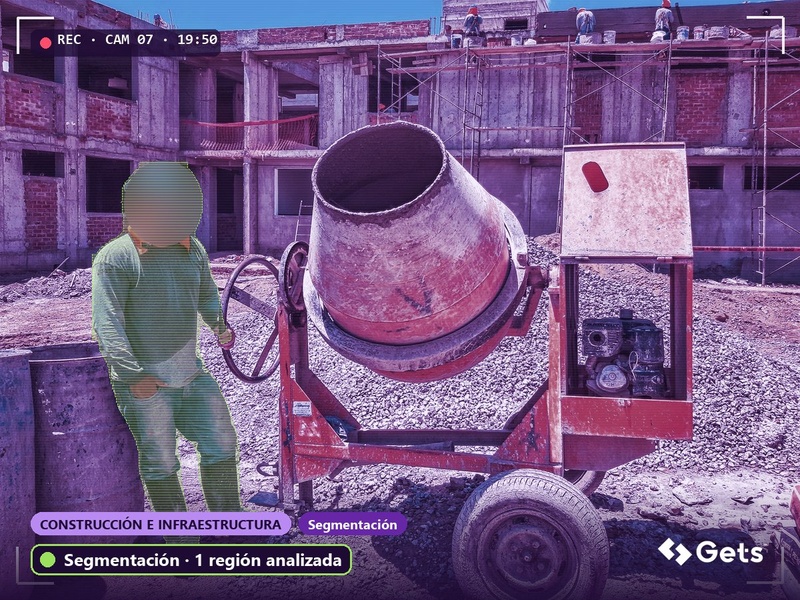
Construction progress
Compares periodic site images to measure progress by stage.
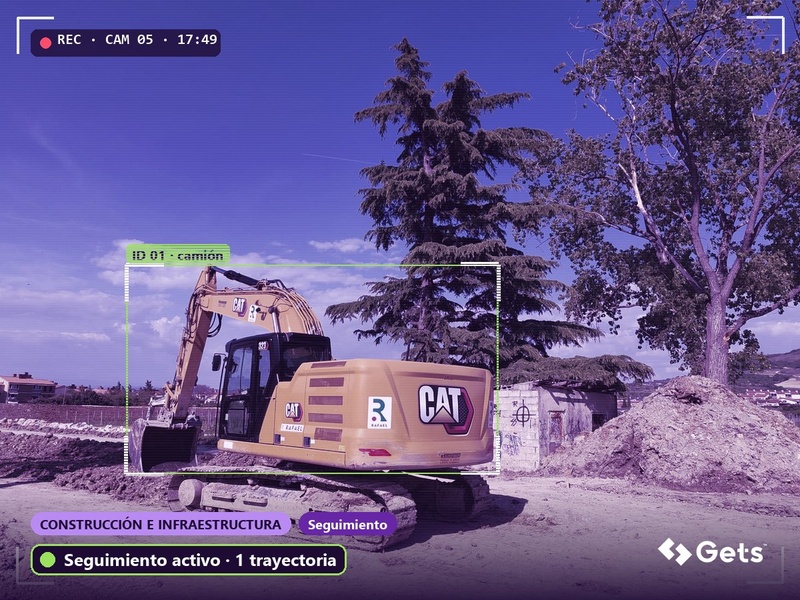
Machinery and usage hours
Logs when each machine is working and how long it is idle.
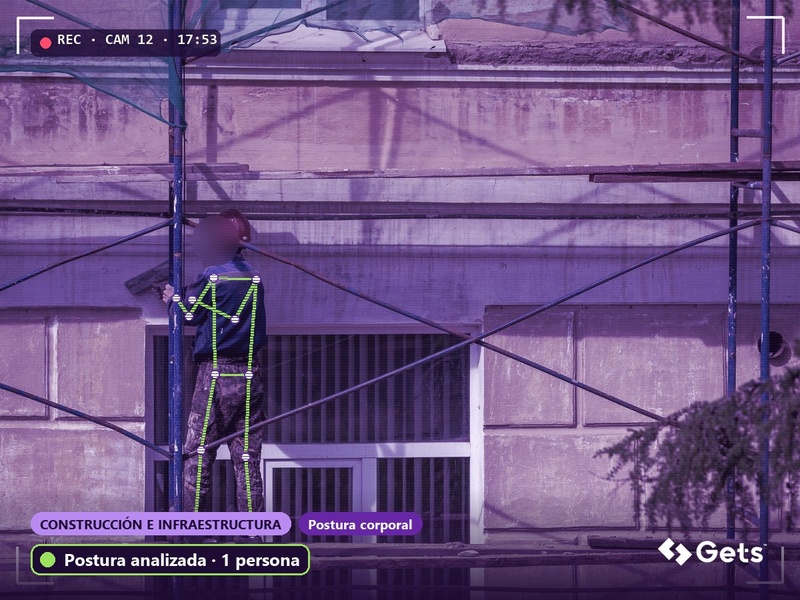
Working at heights
Detects people on edges and scaffolding without a lifeline.
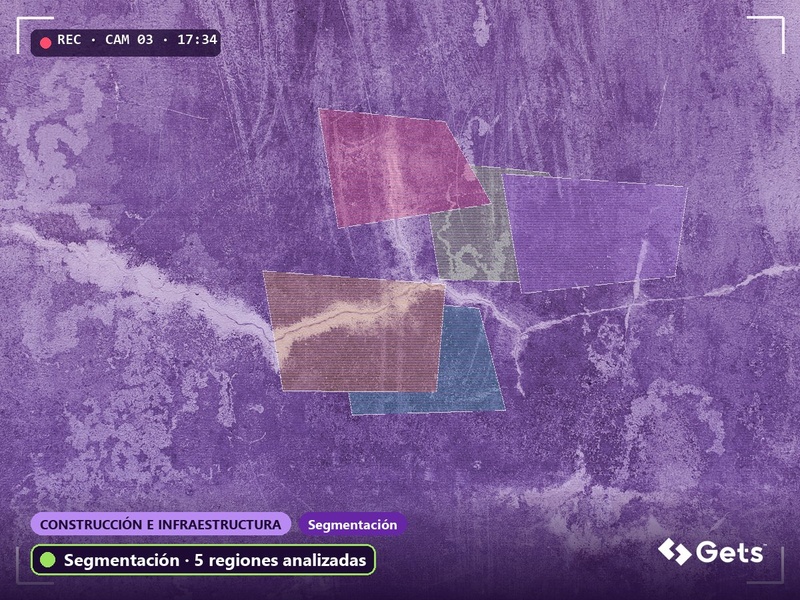
Structural cracks
Finds cracks and spalling on bridges, walls and facades with photos or drones.
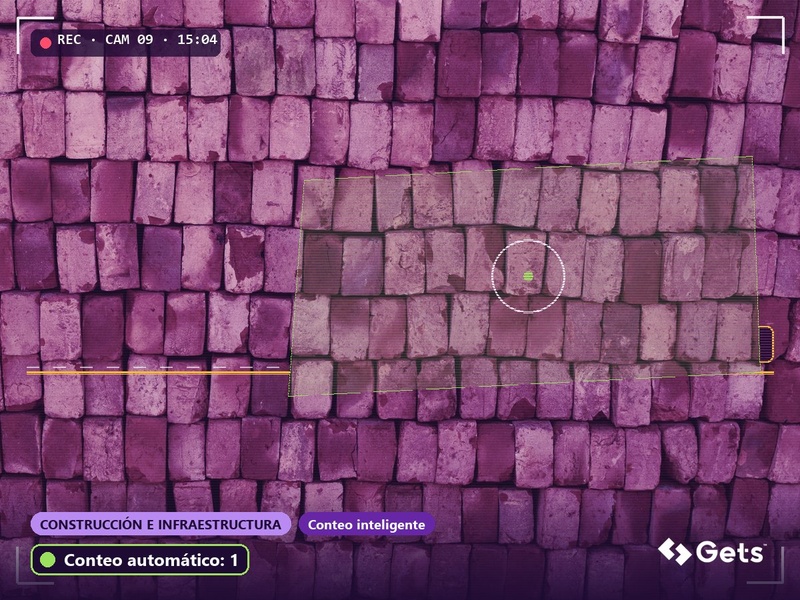
Material inventory
Counts and estimates materials on site: rebar, blocks, pipes and aggregates.
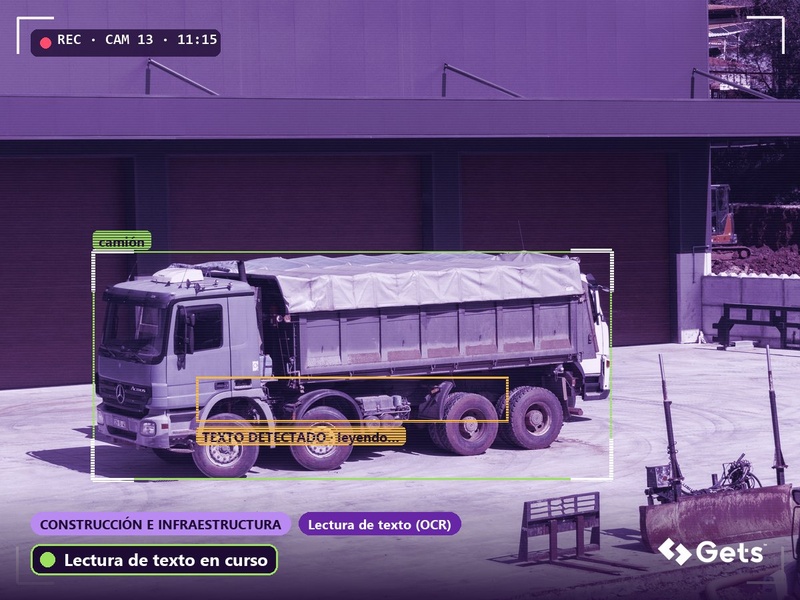
Dump truck access
Reads plates and counts dump truck trips entering and leaving the site.
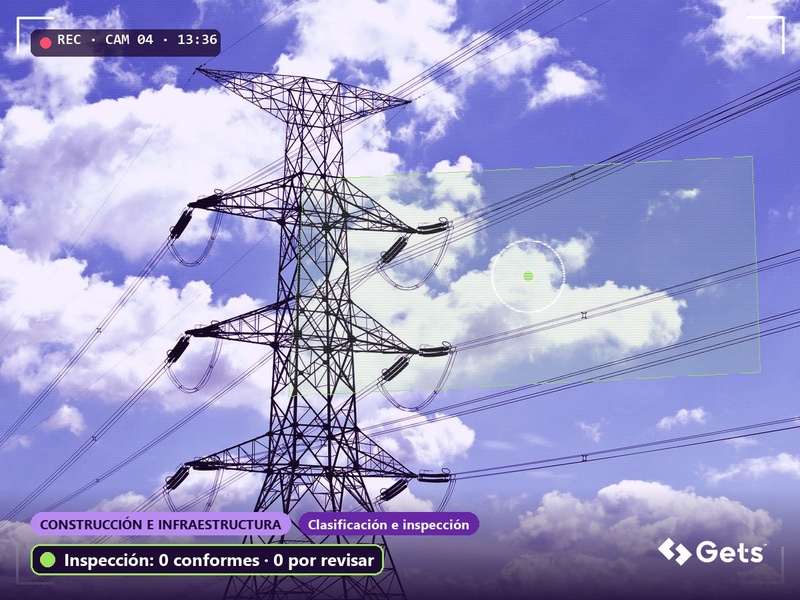
Power line inspection
Detects damaged insulators, nearby vegetation and loose elements on towers and poles.
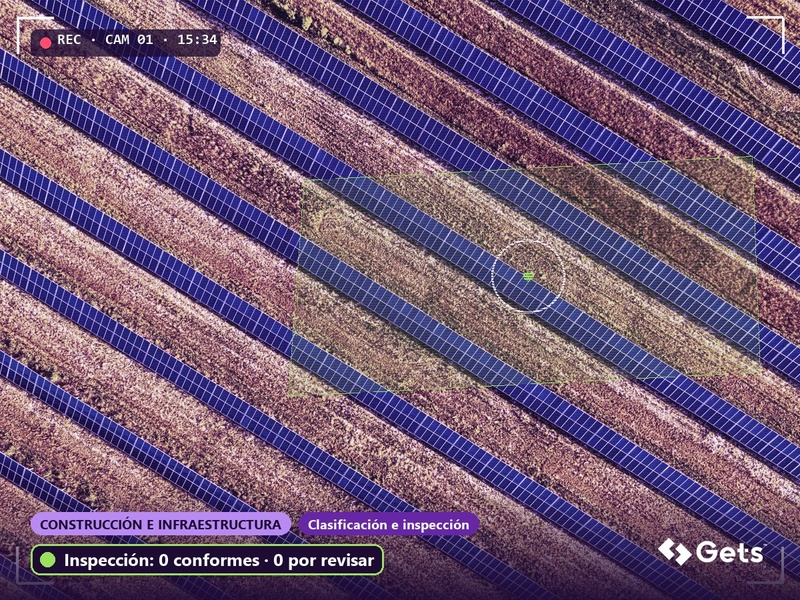
Solar panel inspection
Finds dirty, broken or hot-spot panels in solar farms.
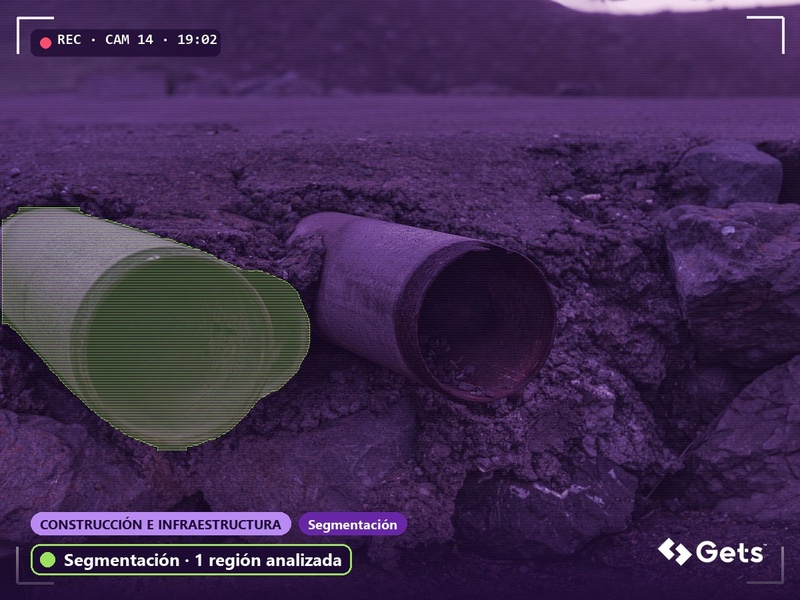
Pipe and tank corrosion
Detects rust and corrosion on pipes, tanks and metal structures.
Health and wellness
- Support for health staff, not a replacement
- Faster care and safer patients
- Privacy and data protection by design
- Patient falls
- Elderly care
- Medical imaging support
- Hand washing protocol
- Waiting rooms and ER
- Surgical instrument counting
- Rehabilitation and physiotherapy
- Skin lesion tracking
- Medication verification
- Lab sample counting
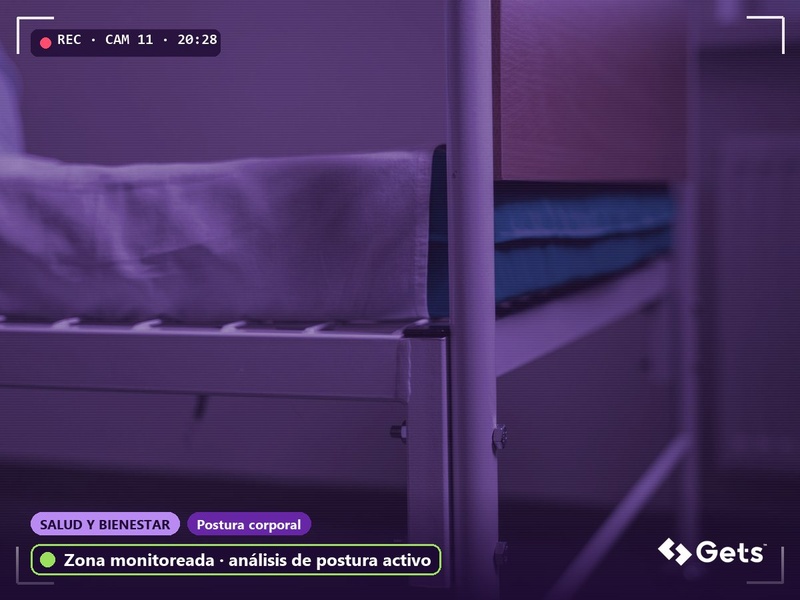
Patient falls
Alerts nursing staff when a patient gets up or falls from the bed.
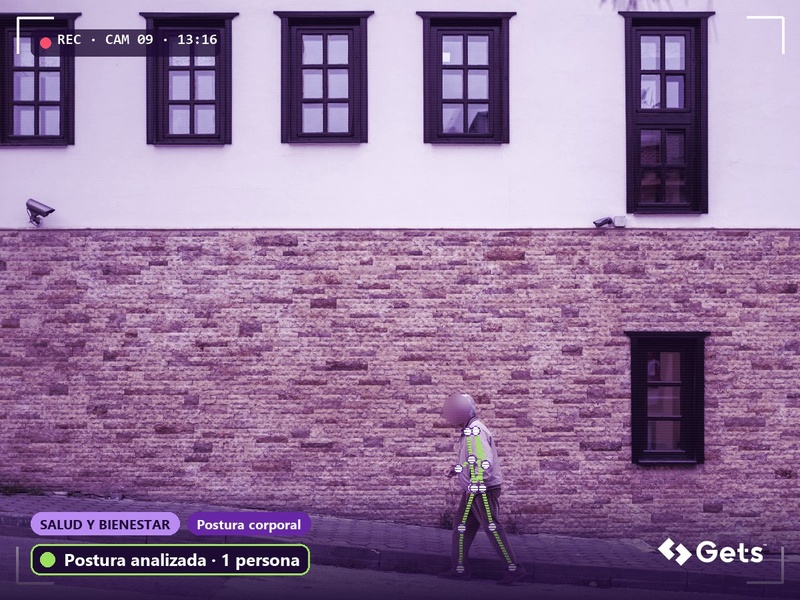
Elderly care
Detects falls and long inactivity in care homes and private homes.
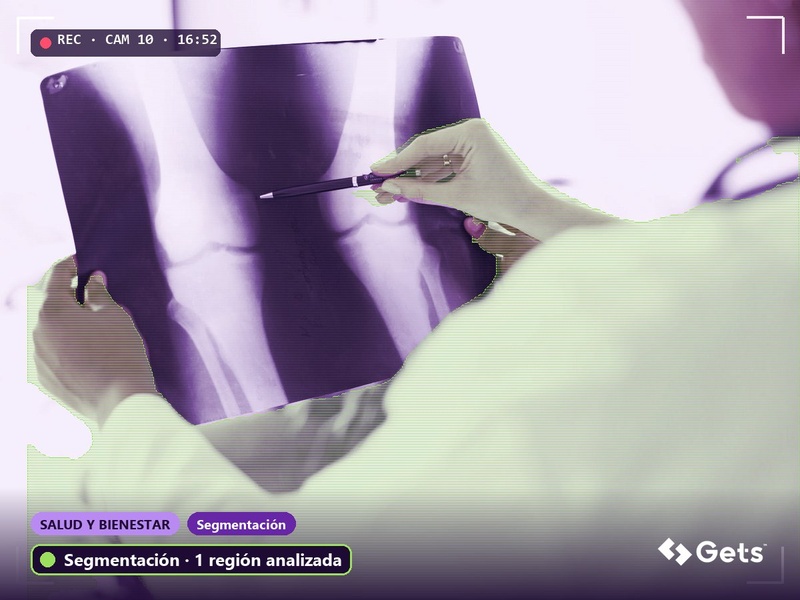
Medical imaging support
Highlights areas of interest in X-rays and ultrasounds to support the specialist.
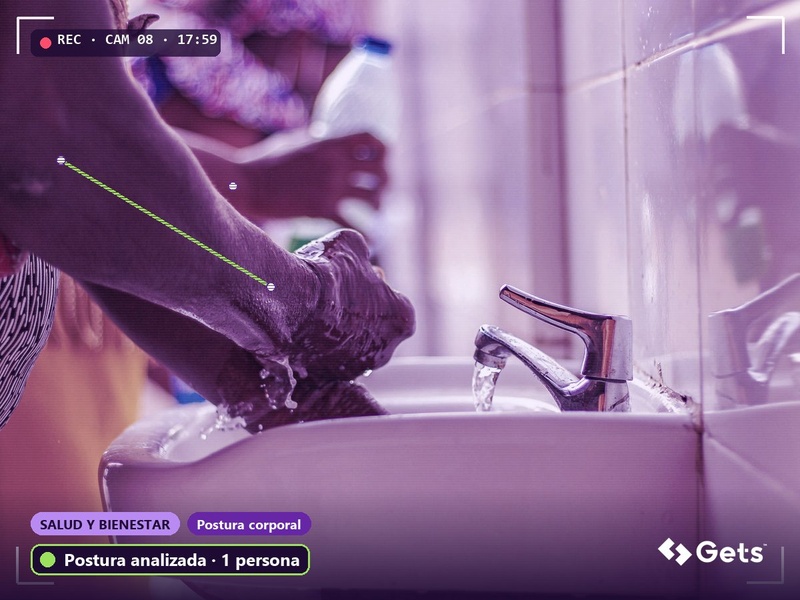
Hand washing protocol
Checks that hand washing steps and time are followed.
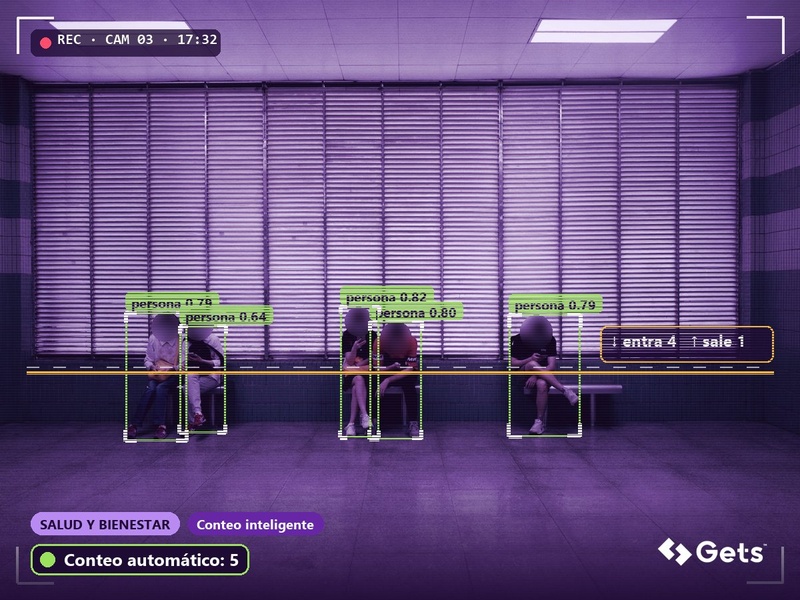
Waiting rooms and ER
Measures occupancy and waiting times to allocate staff better.
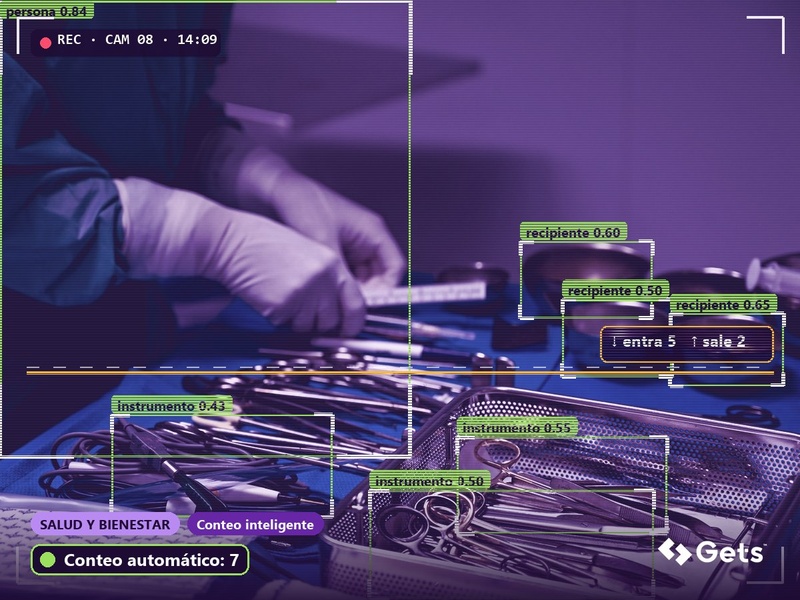
Surgical instrument counting
Counts and checks instruments before and after each surgery.
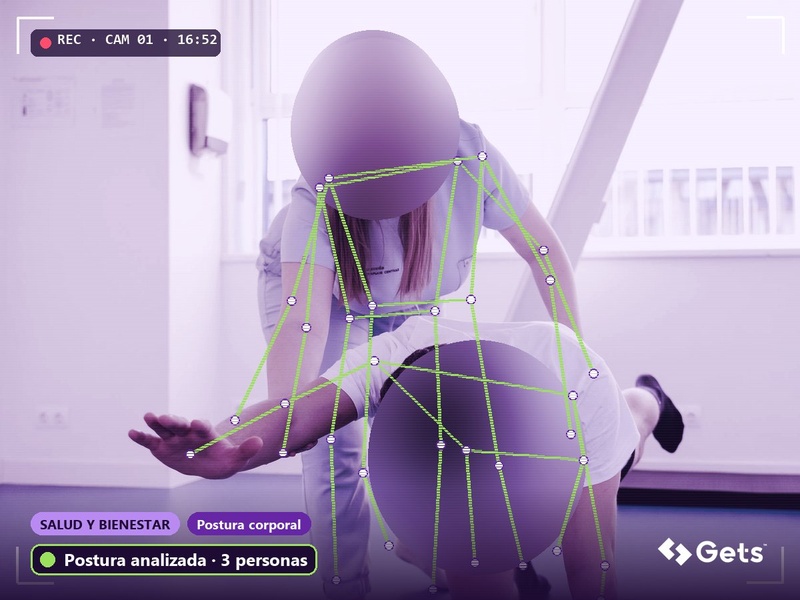
Rehabilitation and physiotherapy
Measures angles and range of motion in the patient's exercises.
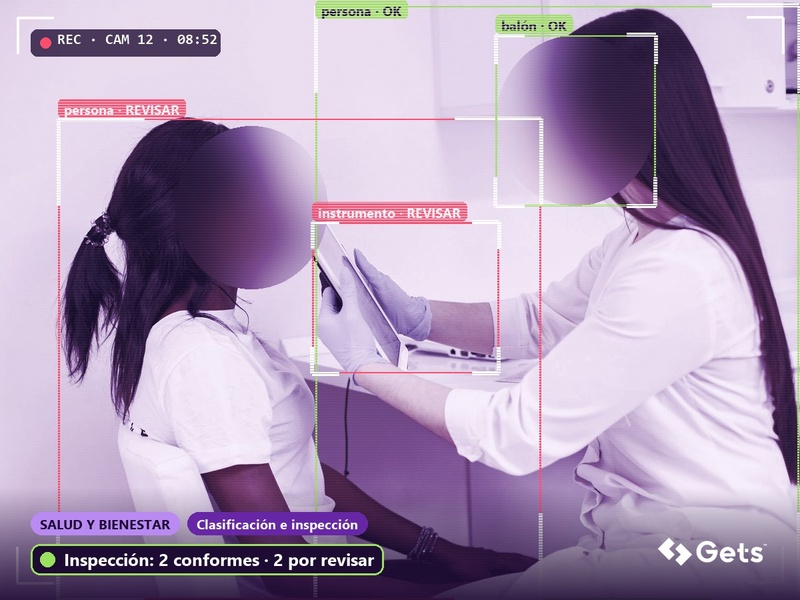
Skin lesion tracking
Compares photos over time to follow the evolution of wounds and lesions.

Medication verification
Reads the medication name, batch and expiry before dispensing.
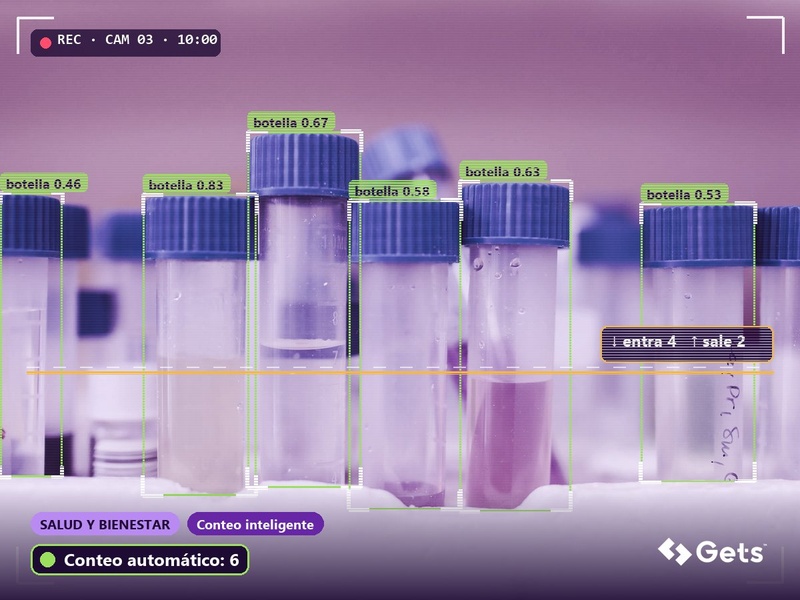
Lab sample counting
Counts colonies and cells in microscope images and plates.
Agriculture, fishing and environment
- Field decisions with data from every plot
- Early detection of pests and diseases
- Fewer field trips and fewer inputs
- Livestock counting
- Livestock weight estimation
- Crop pests and diseases
- Fruit counting and yield estimation
- Harvest grading
- Drone plot mapping
- Fish counting and sizing
- Deforestation and land cover
- Waste sorting
- Wildlife monitoring
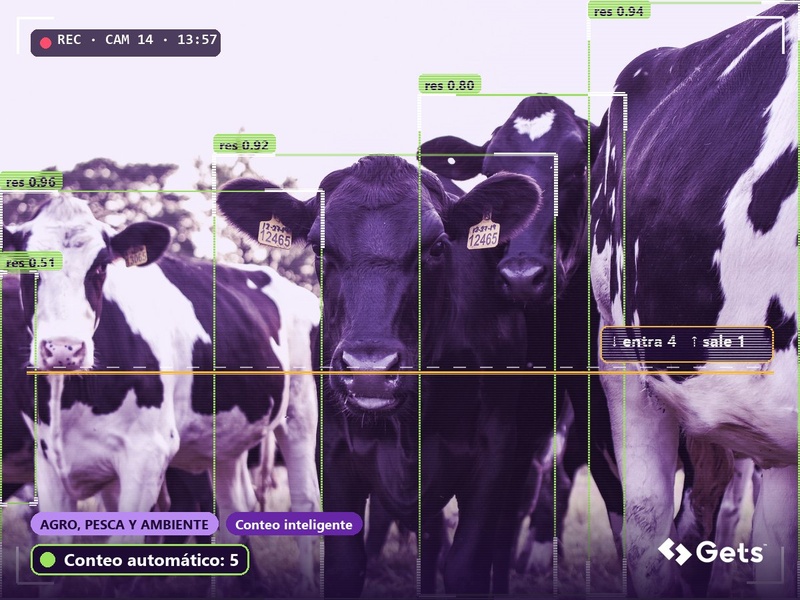
Livestock counting
Counts animals in pens, chutes and pastures with a camera or drone.
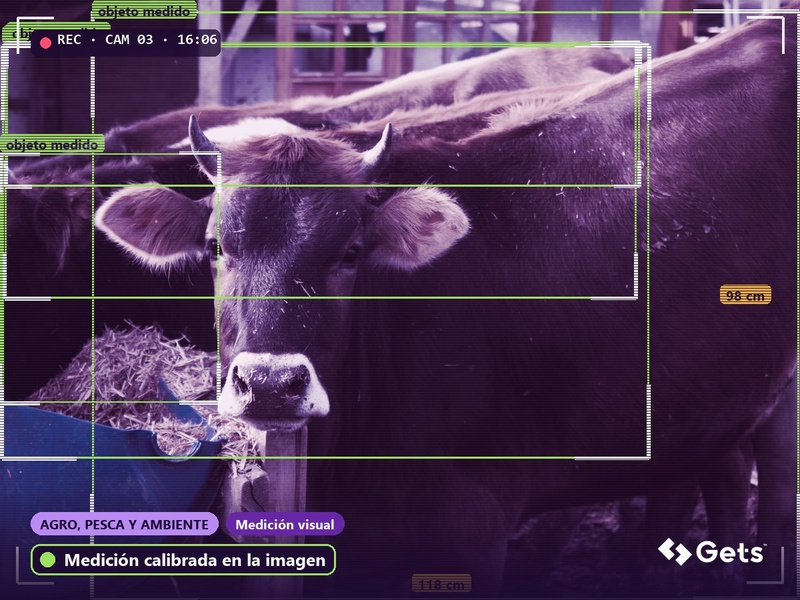
Livestock weight estimation
Estimates each animal's weight from its silhouette, without the scale.
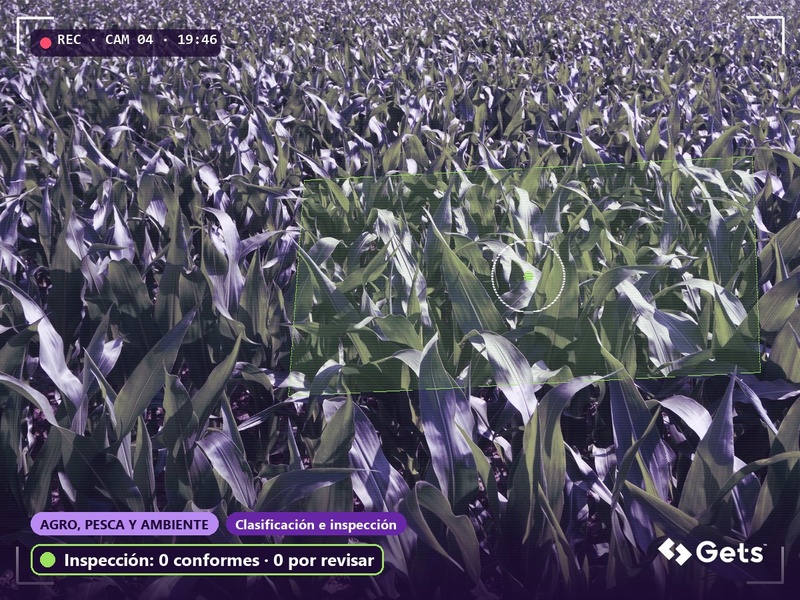
Crop pests and diseases
Identifies diseased leaves and pests from crop photos.
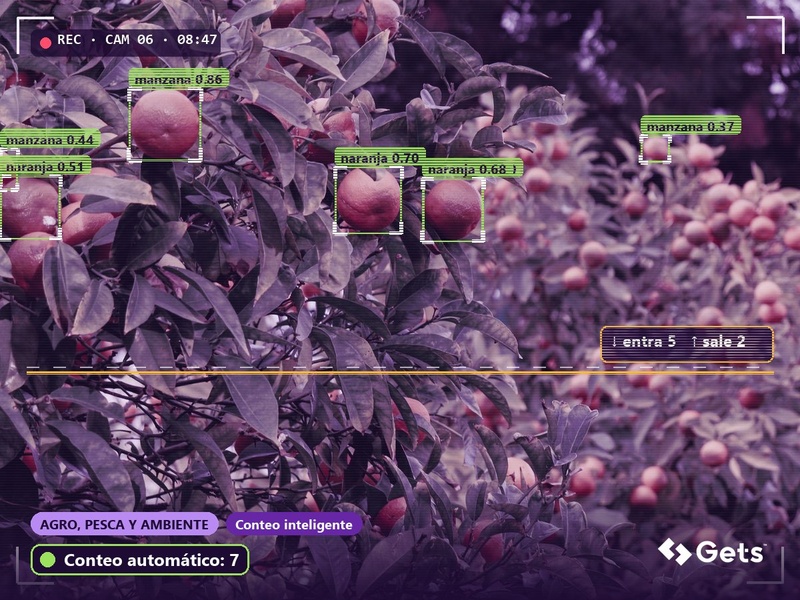
Fruit counting and yield estimation
Counts fruit per plant to estimate the harvest in advance.
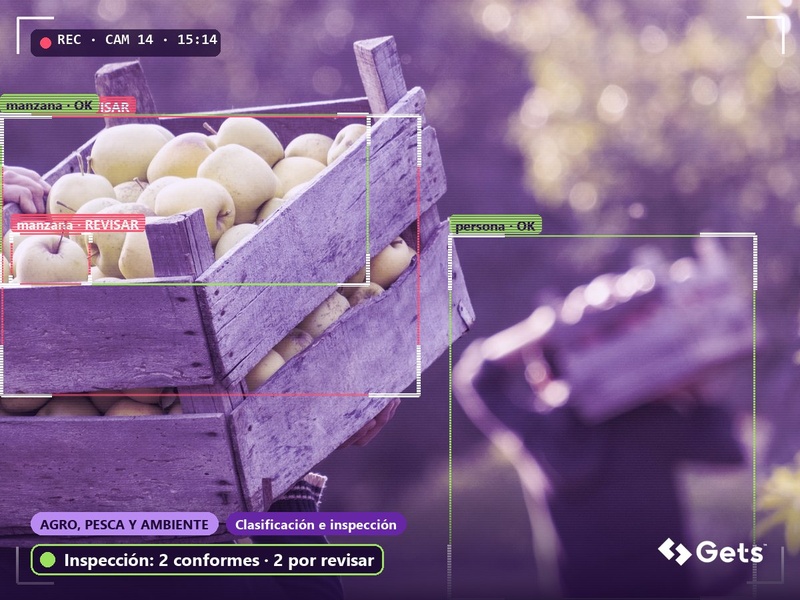
Harvest grading
Grades fruit, grain and coffee by size, color and defects.
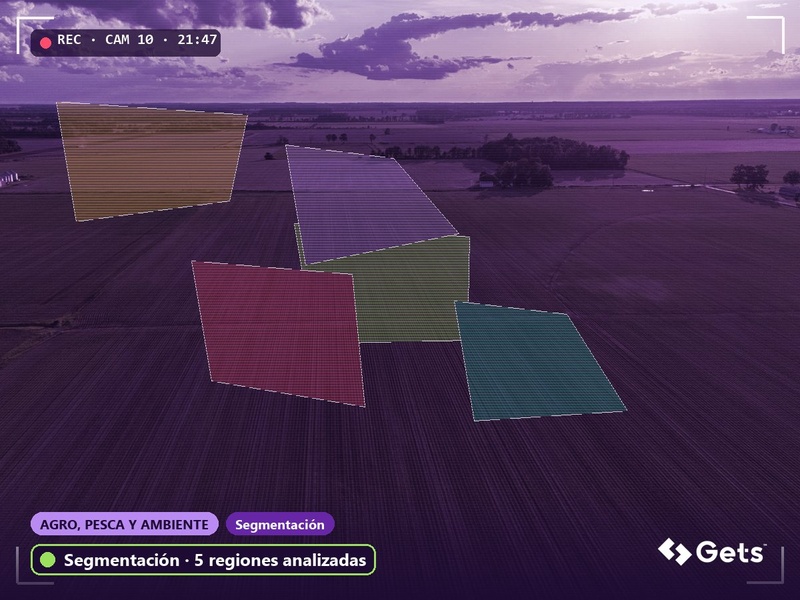
Drone plot mapping
Measures planted areas, dry zones and weeds from drone images.
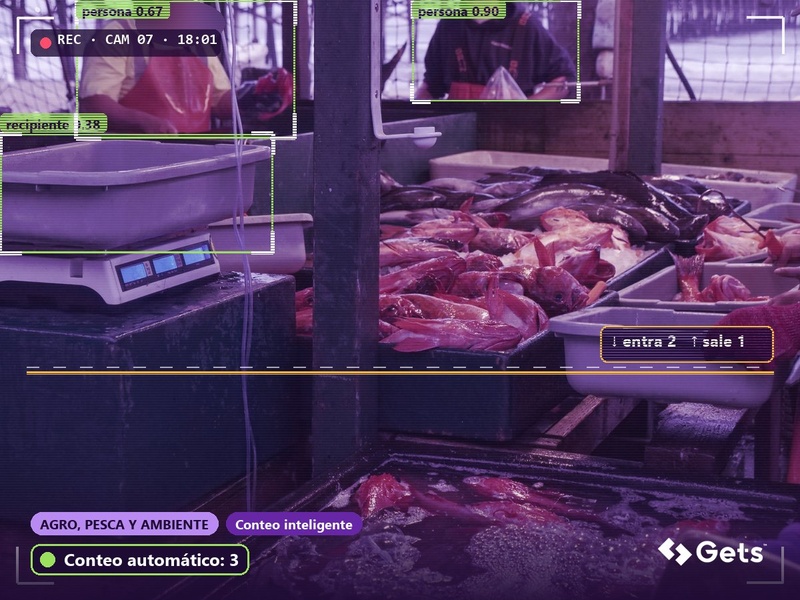
Fish counting and sizing
Counts and measures fish in ponds and at landing.
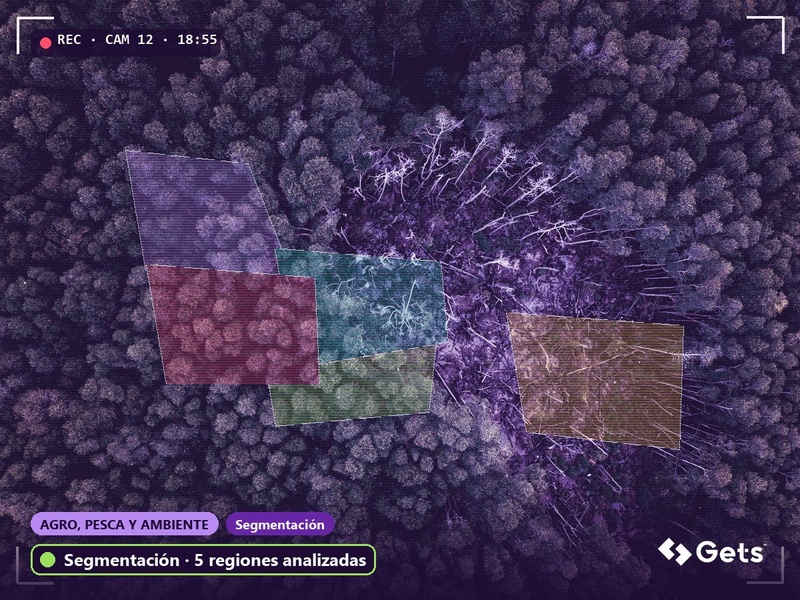
Deforestation and land cover
Detects changes in forest cover from aerial images.
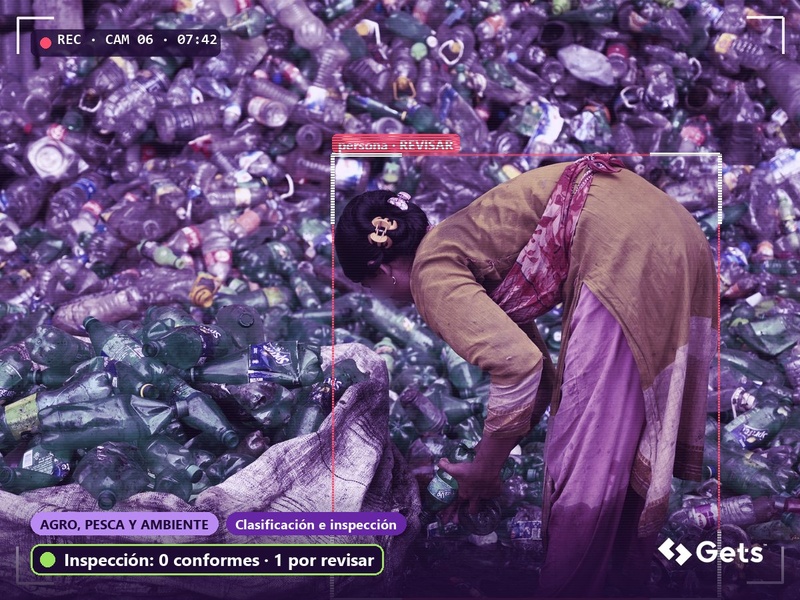
Waste sorting
Sorts plastic, glass, paper and metal in recycling plants.
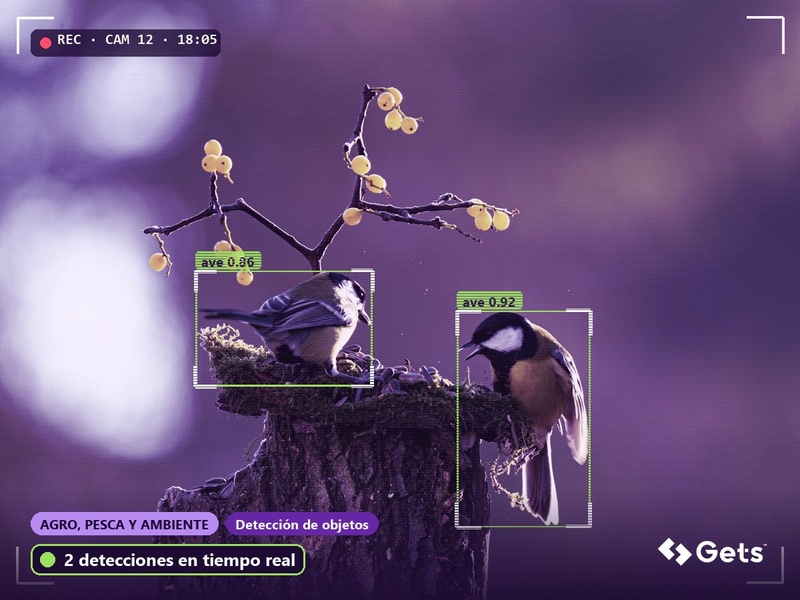
Wildlife monitoring
Identifies species in camera traps and counts individuals.
Sports, fitness and education
- Performance data with a camera, no body sensors
- Real-time technique correction
- Content and statistics for your students or fans
- Gym rep counting
- Sports technique analysis
- Football tactical analysis
- Ball and throw speed
- Gym and venue occupancy
- Pool safety
- Classroom attendance
- Gesture control
- Sign language support
- Mass events and concerts
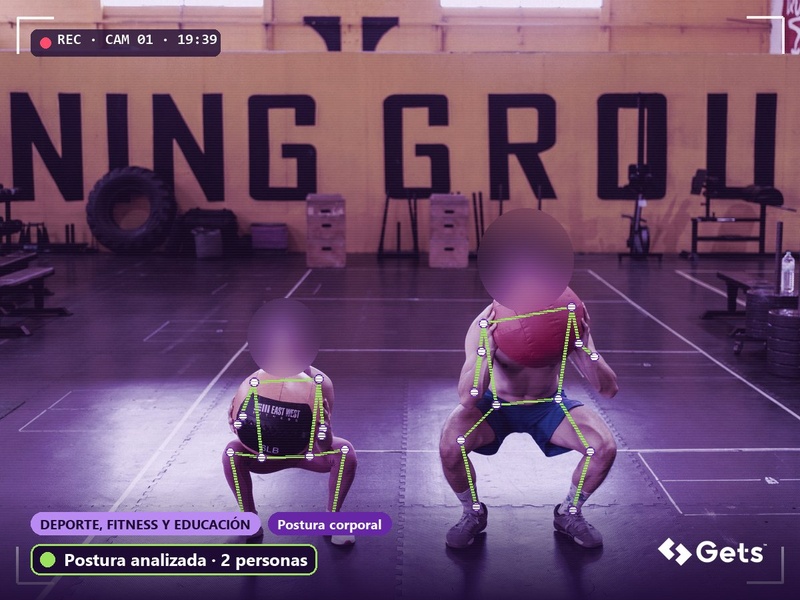
Gym rep counting
Counts squats, push-ups and sit-ups and corrects posture.
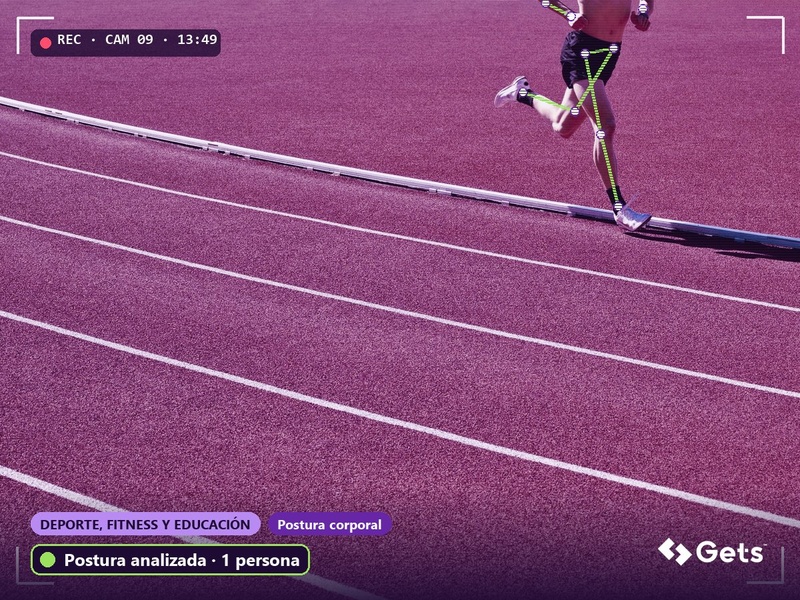
Sports technique analysis
Measures angles, rhythm and phases of the movement: rowing, running, swimming and more.
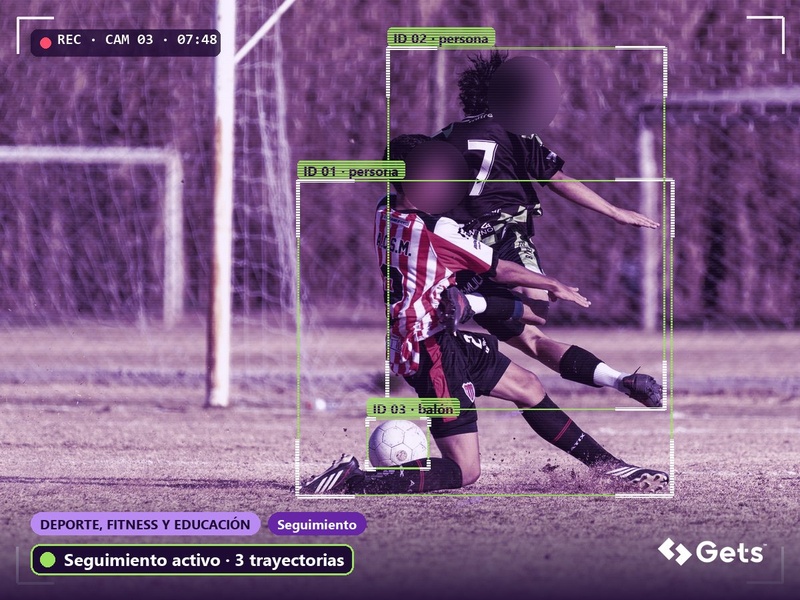
Football tactical analysis
Tracks players and ball to get positions, distances and heat maps.
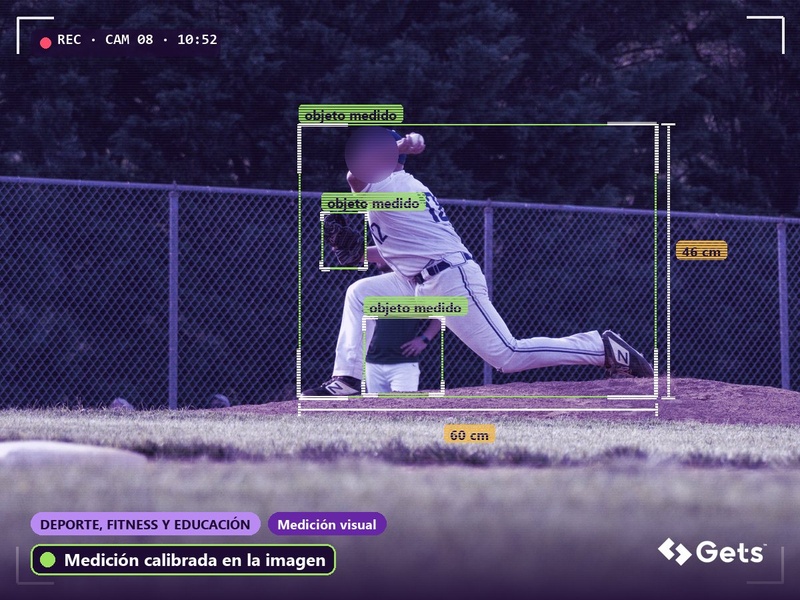
Ball and throw speed
Measures the speed of shots, throws and serves with one camera.
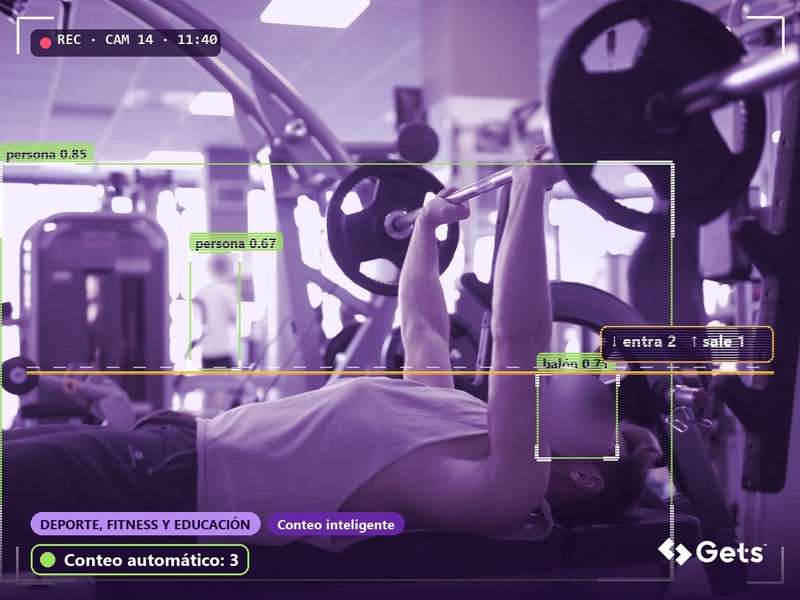
Gym and venue occupancy
Shows gym or venue occupancy in real time.
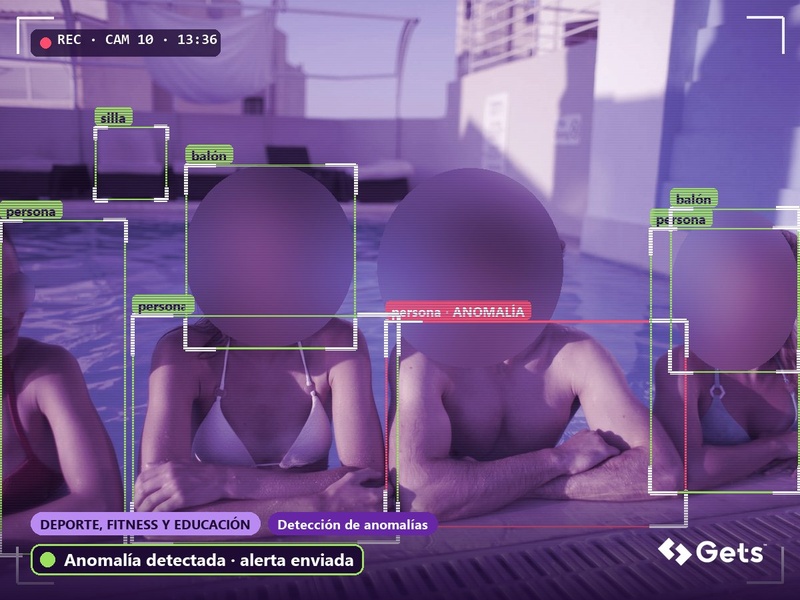
Pool safety
Detects motionless or at-risk swimmers and alerts the lifeguard.
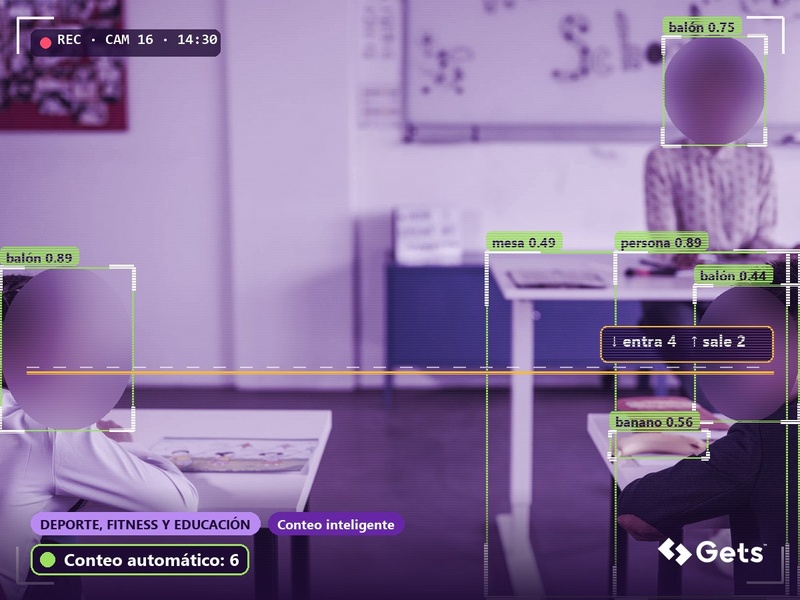
Classroom attendance
Counts students in the classroom anonymously to record attendance.
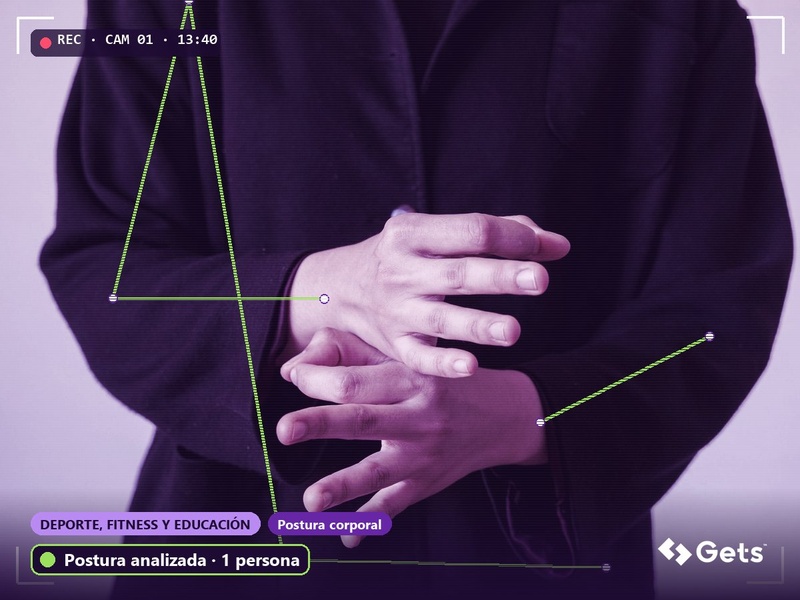
Gesture control
Controls screens, presentations and kiosks with hand gestures, touch-free.
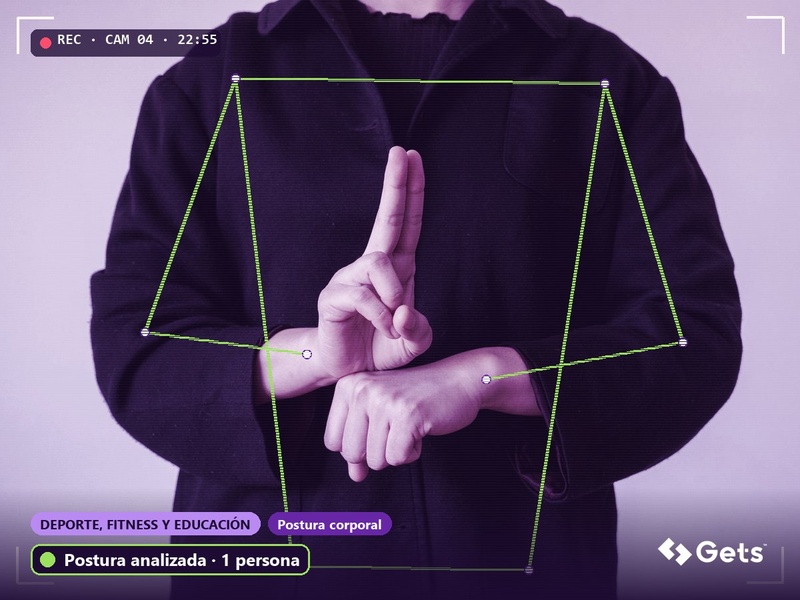
Sign language support
Recognizes hand signs to support communication and learning.
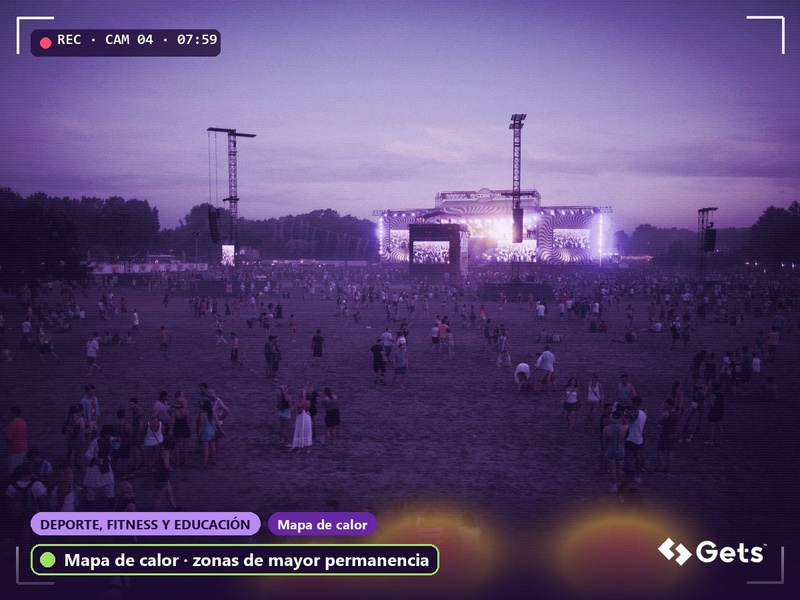
Mass events and concerts
Measures crowd density and detects dangerous crowding.
Ports, tourism and city
- Control of vessels, visitors and public space
- Real-time information for operations
- Safer, better organized cities and destinations
- Vessel detection
- Vessel registration reading
- Tourist pier occupancy
- Beach occupancy and safety
- Hotel common areas
- Public space occupation
- Litter and dump spots
- Airport and terminal queues
- Museum and attraction routes
- Flooding and water levels
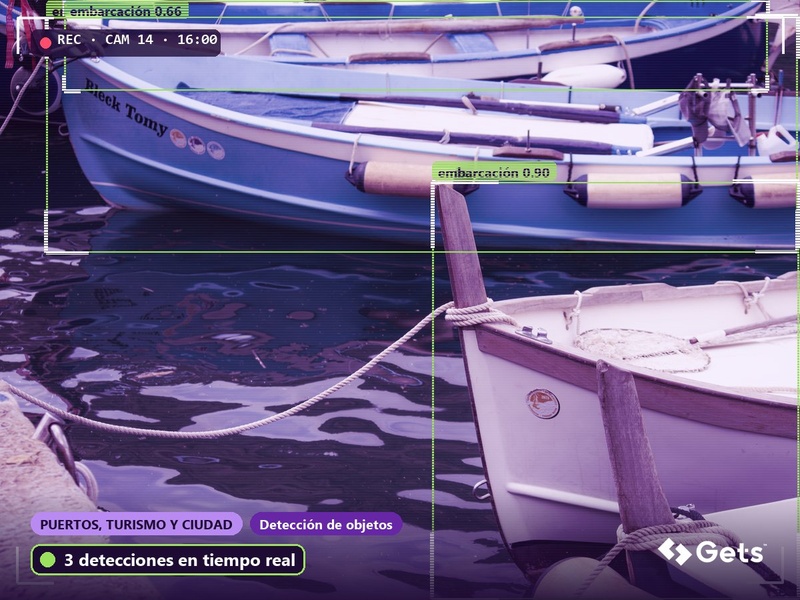
Vessel detection
Detects and counts boats and ships entering and leaving the bay.
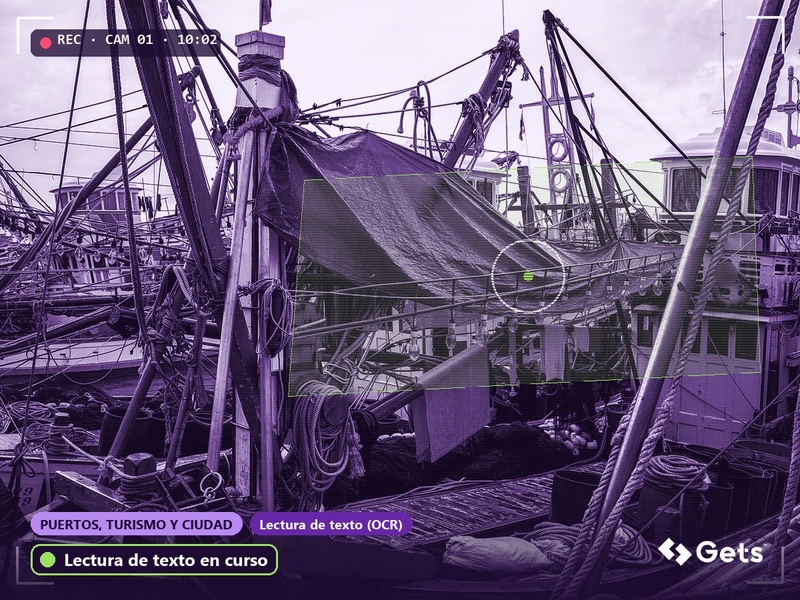
Vessel registration reading
Reads the registration painted on the hull and checks it against the maritime registry.
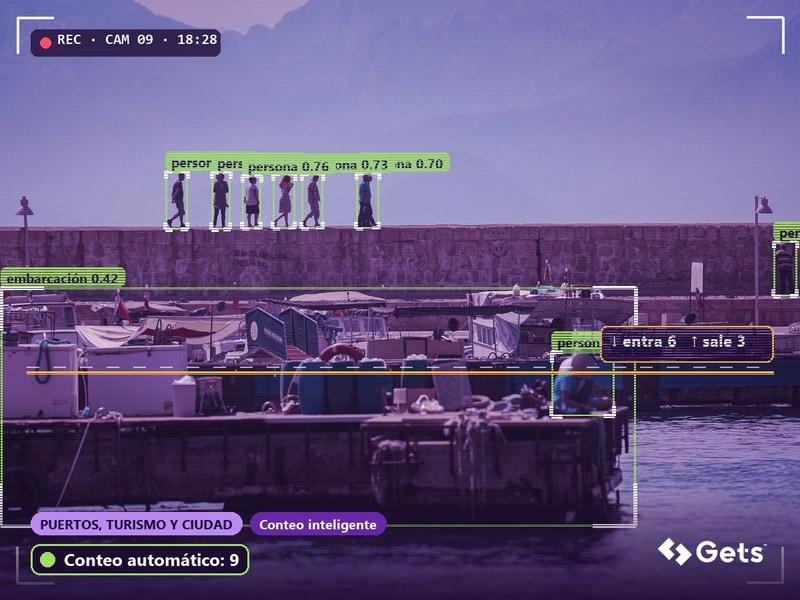
Tourist pier occupancy
Counts passengers boarding and disembarking at piers and marinas.
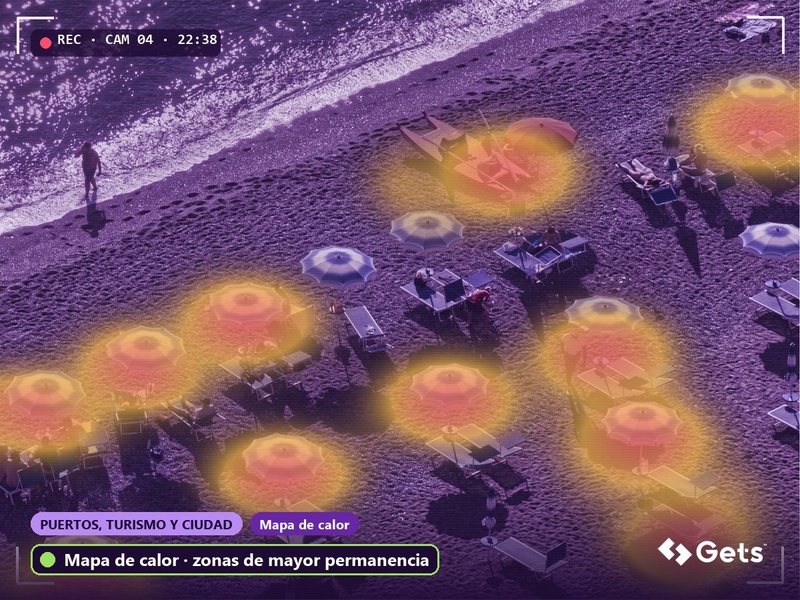
Beach occupancy and safety
Measures beach occupancy and detects swimmers in restricted areas.
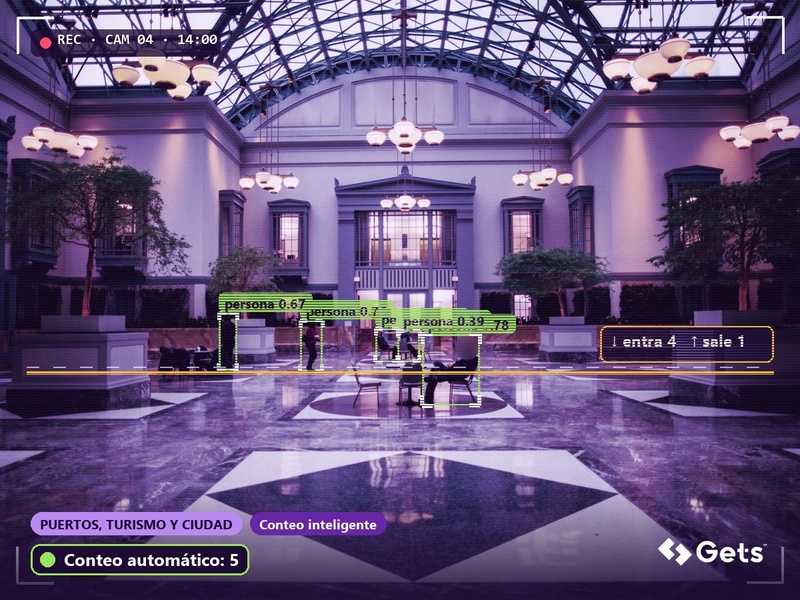
Hotel common areas
Measures occupancy of pools, restaurants and lobby to improve service.
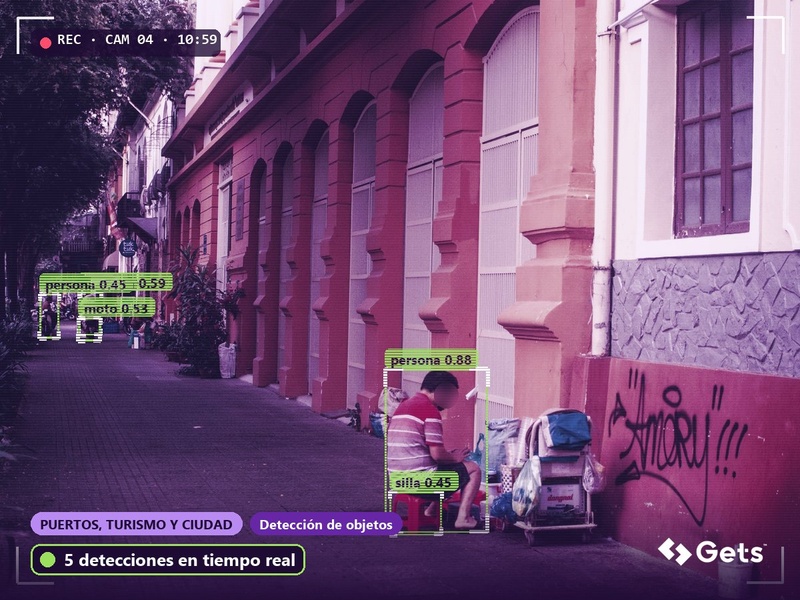
Public space occupation
Detects street vending, litter and obstructions on sidewalks and squares.
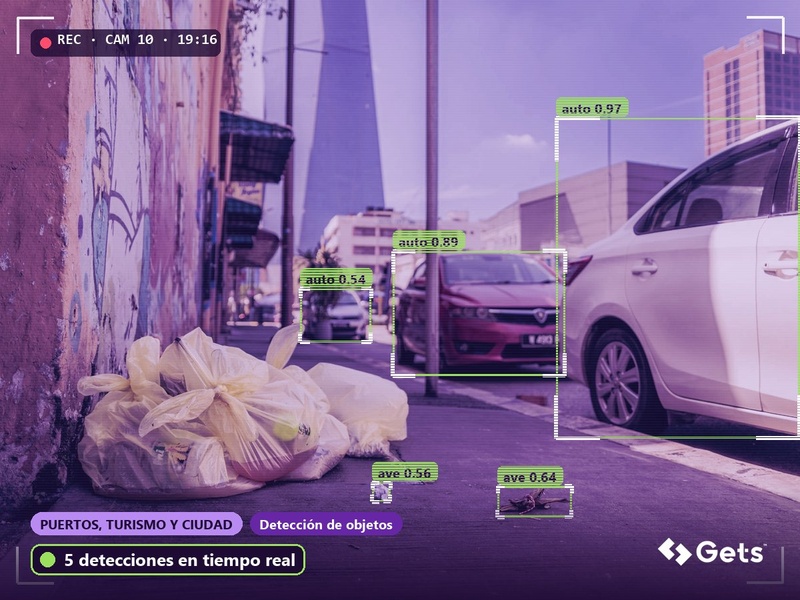
Litter and dump spots
Finds garbage build-up and reports critical spots.
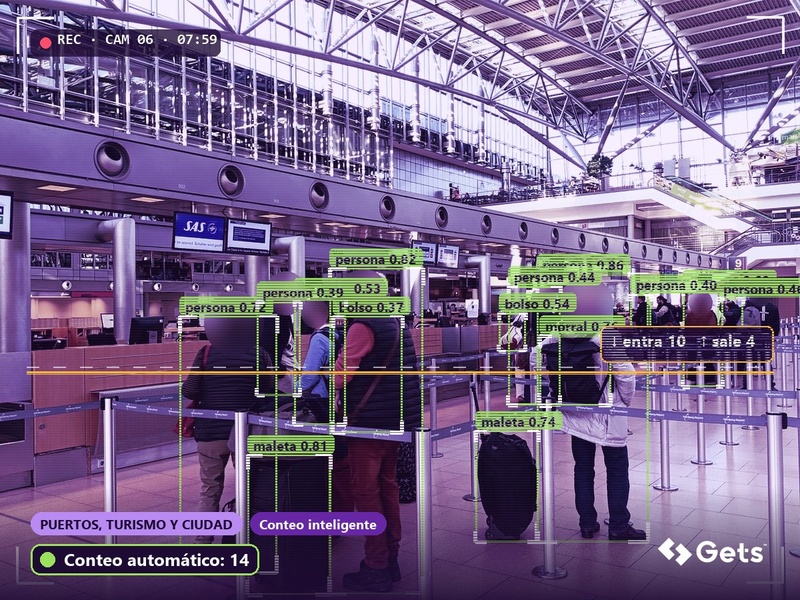
Airport and terminal queues
Measures queues at immigration, security and check-in and predicts wait times.
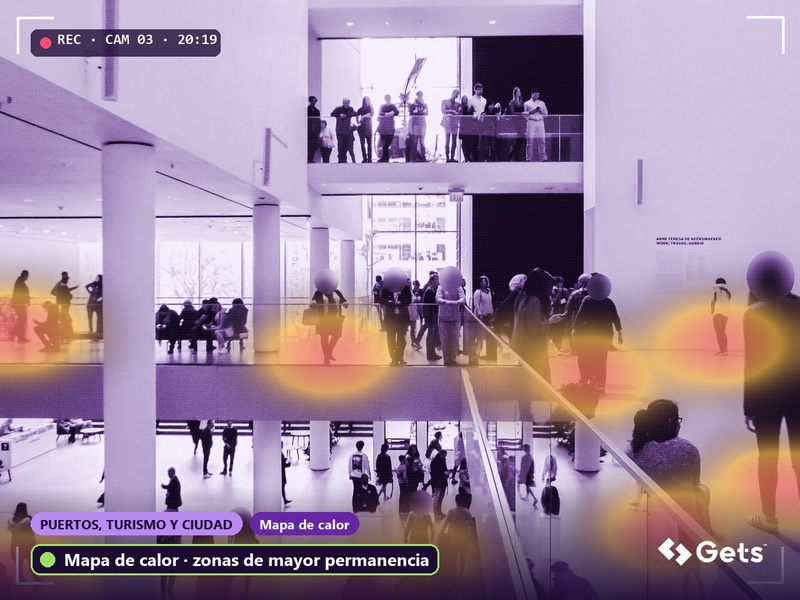
Museum and attraction routes
Shows which rooms and attractions get the most visits and how long people stay.
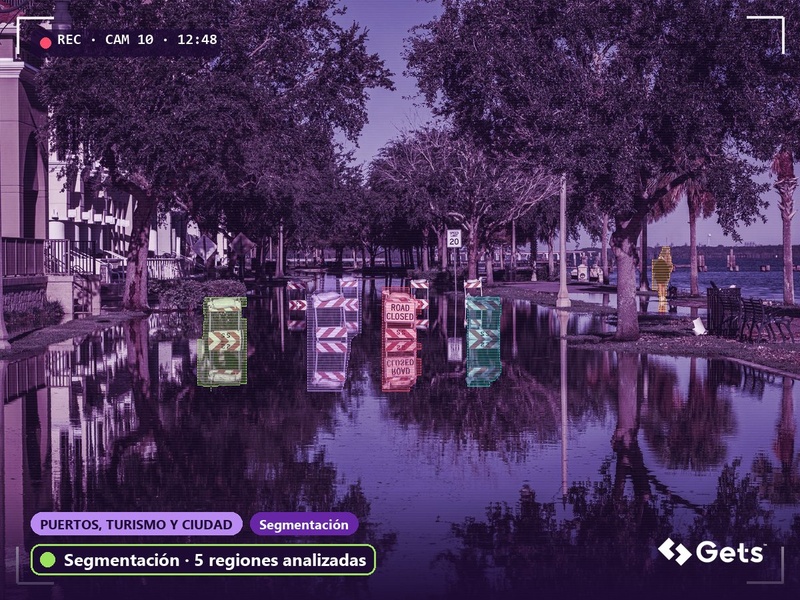
Flooding and water levels
Measures water level in canals and streets and alerts before flooding.
From pilot to operation
Seeing without identifying anyone
- Faces and plates are blurred when the case does not need to identify them.
- Alerts carry only the image and time of the event, not a profile of the person.
- Data is kept only as long as needed, with controlled access.
- Notices and policies in line with Colombia's Law 1581 on personal data protection.

What is your case?
Tell us what you want your cameras to see and we will propose the solution.